
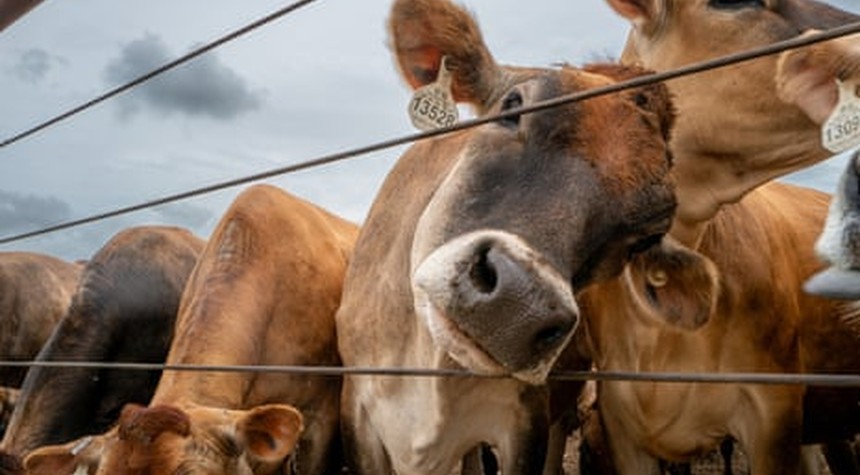
Scientists and agricultural officials are expressing grave concern tonight about the nation’s capacity to contain a parasitic infestation that has established itself in Central American wildlife populations and begun appearing in livestock across the American Southwest.
The new world screwworm, a parasitic fly that burrows into the flesh of warm-blooded animals, has been detected in 34 animals within United States borders, primarily in Texas, with one case reported in New Mexico. While domestic livestock and pets have been affected thus far, wildlife in Central America now shows widespread infestation, raising questions about the effectiveness of current containment strategies.
Conservation researchers monitoring illegal cattle movements in remote Central American forests have documented an unexpected and troubling development. Camera systems established by the Wildlife Conservation Society captured images of numerous species bearing the distinctive wounds caused by screwworm larvae. Jaguars, pumas, tapirs, deer, white-lipped peccaries, and even porcupines have been photographed with visible infestations.
Jeremy Radachowsky, director of the Mesoamerica and Caribbean program at the Wildlife Conservation Society, indicated that the cameras provided researchers with an unprecedented view of how rapidly the parasite spread through wildlife populations. The organization recently published findings documenting this phenomenon.
The pattern of transmission appears linked to cattle moved across national borders without proper health and safety inspections. Wildlife sharing water sources with infected cattle became vectors for further spread. What concerns scientists most is that the parasite has now penetrated deep into forest interiors, far removed from any cattle populations, suggesting it has become endemic in wild animal populations throughout the region.
The United States Department of Agriculture has responded by deploying approximately 100 million sterile flies across the southwestern United States and Mexico. This biological control method, which involves releasing sterilized male flies to mate with wild females and produce no offspring, has proven effective in the past. However, experts indicate that the current deployment may slow the northward advancement of the parasite but will prove insufficient for eradication.
Phillip Kaufman, professor and department head of entomology at Texas A&M University, stated plainly that eradication efforts would require approximately 500 million sterile flies. The current production capacity falls dramatically short of that requirement.
Officials have recognized this shortfall and are working to expand breeding facilities for sterile flies. A new facility in Mexico became operational in late June. Plans call for an additional facility in Texas to begin operations later this year. However, the timeline for achieving sufficient production capacity to push the screwworm population back southward remains uncertain.
Experts familiar with eradication campaigns estimate the process will likely require years of sustained effort, even with expanded production capabilities. The establishment of the parasite in wild animal populations throughout Central American forests complicates eradication efforts significantly, as wildlife populations cannot be monitored or treated with the same methods used for domestic livestock.
The screwworm was previously eradicated from the United States in 1966 through similar sterile fly release programs, demonstrating that such efforts can succeed. The current situation, however, presents challenges that earlier campaigns did not face, particularly the depth of penetration into wild populations across international borders.
Related: Family of Texas Teen Who Drowned Demands Full Investigation After Evidence Tampering Charges
