
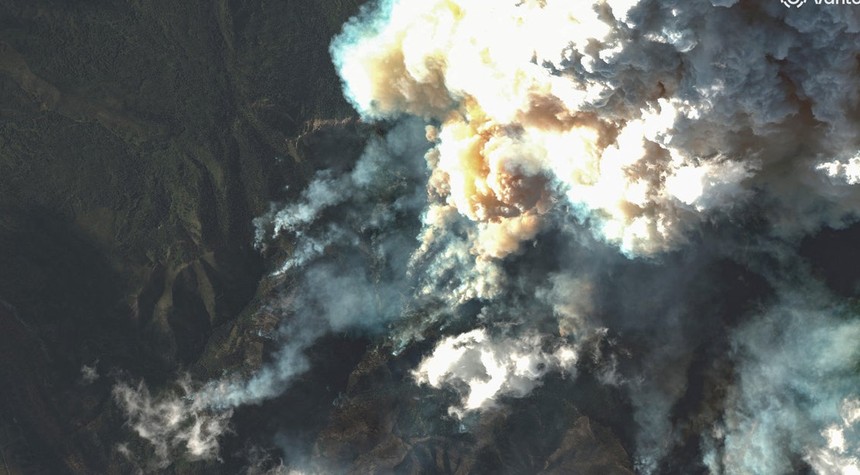
A firefighting aircraft crashed into Silver Jack Reservoir in western Colorado on Sunday evening, claiming the life of its pilot in what marks another tragic loss in the ongoing battle against the Gold Mountain Fire.
The Gunnison County Sheriff’s Office reported that dive teams were dispatched to the scene after the aircraft went down at 5:17 p.m. The reservoir is located in the southwestern portion of Gunnison County, where firefighting operations have been underway for weeks.
Sheriff Adam Murdie confirmed in a statement Sunday night that a body was recovered from the submerged aircraft and transported to the county coroner’s office. Authorities believe only one person was aboard at the time of the crash. The identity of the deceased pilot will not be released until family members have been properly notified.
The aircraft had been actively engaged in suppression efforts against the Gold Mountain Fire, a blaze that ignited late last month and has since proven remarkably resistant to containment. Current figures show the fire is only five percent contained despite consuming more than 35,601 acres of Colorado wilderness.
The sheriff’s office has not yet specified whether the downed aircraft was a plane or helicopter, though such details will likely emerge as investigators work to determine what caused the crash. Federal authorities typically become involved in investigations of aircraft accidents, particularly those involving firefighting operations.
The Gold Mountain Fire continues to threaten communities in the region. Mandatory evacuation orders remain in effect for areas east and northeast of Ouray, though the city itself has not been evacuated. The cause of the fire has not been determined, and investigators continue to examine its origins.
This incident serves as a sobering reminder of the risks faced by those who battle wildfires from the air. Firefighting pilots navigate treacherous conditions, including poor visibility from smoke, unpredictable wind patterns, and challenging terrain. These men and women operate specialized aircraft designed to drop water and fire retardant on blazes, often flying at low altitudes in conditions that would ground most civilian aircraft.
The loss comes during what has been a particularly challenging fire season across the western United States. Drought conditions and accumulated fuel loads have created ideal circumstances for large, fast-moving fires that strain firefighting resources across multiple states.
As recovery operations conclude at Silver Jack Reservoir, attention will turn to the investigation into what caused this aircraft to go down. The National Transportation Safety Board typically leads such inquiries, working to piece together the final moments of flight and determine whether mechanical failure, environmental factors, or other circumstances contributed to the crash.
For now, one family awaits notification of a loss, and the firefighting community mourns one of its own who made the ultimate sacrifice while protecting Colorado communities from the advancing flames.
Related: Fort Worth Officers Admit Errors in Statements Made to Street Preacher at Pride Festival
