
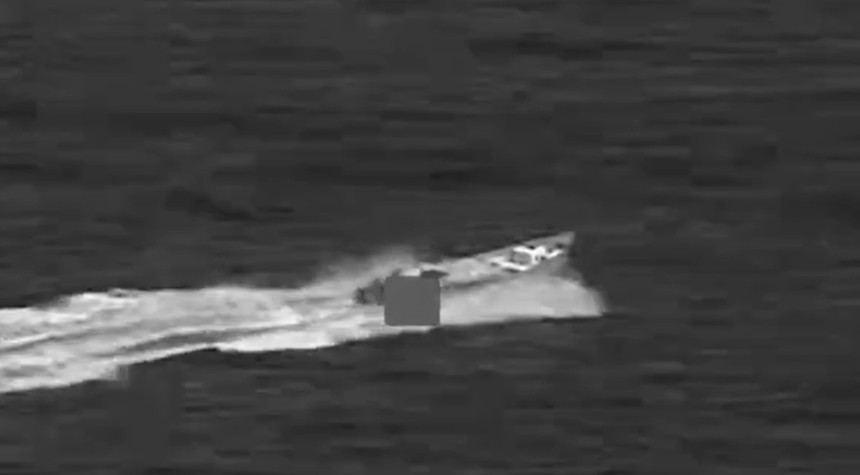
The United States military’s campaign against suspected drug trafficking vessels in Caribbean and Pacific waters has resulted in the deaths of at least 199 individuals, according to figures compiled from military reports and survivor accounts. The operations, which began in September of last year, have raised significant questions about the coordination of search and rescue efforts following these strikes.
Among the casualties are at least 22 people who initially survived the attacks but subsequently perished, either from additional strikes or while stranded at sea. This includes three individuals who survived two separate attacks this month alone. Two of those survivors were struck again this week in the eastern Pacific Ocean, according to U.S. military sources.
The operational protocol, as described by U.S. Southern Command, involves notifying the Coast Guard of any survivors following these military actions. However, the evidence suggests these notifications are then forwarded to authorities in nations closer to the strike locations, rather than prompting direct American rescue operations.
When questioned about search and rescue efforts related to the most recent strikes this month, Mexico’s naval command confirmed receiving alerts from the U.S. Coast Guard regarding the operations. Notably, these communications made no mention of survivors requiring assistance. The Coast Guard, when pressed for additional information, directed inquiries to Mexican authorities.
The strike campaign represents a significant escalation in counter-narcotics operations. The Trump administration has characterized these actions as part of a broader war against Latin American drug cartels, marking a departure from previous interdiction strategies that prioritized vessel seizures and arrests over direct military engagement.
The first attack in this campaign occurred on September 2nd. By early December, the administration faced considerable scrutiny following confirmation of a report detailing the circumstances of that initial strike. The administration acknowledged conducting the operation after the information became public, though the full details of that engagement remain under review.
The death toll continues to climb as more information emerges about the scope and frequency of these operations. The strikes have targeted vessels suspected of transporting narcotics through major trafficking corridors in both the Caribbean Sea and the eastern Pacific Ocean, areas long known as primary routes for drug smuggling into the United States.
The coordination between U.S. military forces, the Coast Guard, and regional partners appears to lack the seamless integration necessary for effective post-strike rescue operations. This gap in operational procedure raises fundamental questions about the rules of engagement and the responsibility of U.S. forces to render aid following military actions, even against suspected criminal vessels.
As this campaign continues, Congress and military oversight committees will likely demand greater transparency regarding the protocols governing these strikes, the criteria used to identify targets, and the procedures in place to ensure compliance with international maritime law and humanitarian obligations.
The administration maintains that these operations are essential to disrupting the flow of illegal narcotics into American communities, a problem that claims tens of thousands of American lives annually through overdoses and addiction.
Related: Trump Accounts App Launches Nationwide with Six Million Children Enrolled
