
The landscape of college football has undergone a fundamental transformation, and Utah head coach Kyle Whittingham has raised concerns about where this transformation may ultimately lead the sport.
The financial priorities in college athletics have shifted dramatically in recent years. Where universities once competed primarily through facility improvements, the introduction of Name, Image and Likeness compensation has redirected those resources toward direct player payments. The numbers now being discussed are staggering. Some programs are operating with roster budgets approaching $50 million annually.
This represents a complete reversal from the previous model. Before NIL regulations took effect, major programs channeled booster contributions into what became known as the facilities arms race. Universities competed to offer the most impressive locker rooms, the most advanced training facilities, and the most luxurious stadium amenities. The goal was clear: attract top high school talent through superior infrastructure.
That calculus has changed. Recruiting coordinators have learned that a well-funded NIL package proves far more persuasive to a five-star prospect than even the most elaborate weight room. The shift reflects a basic economic reality that young athletes and their families have embraced.
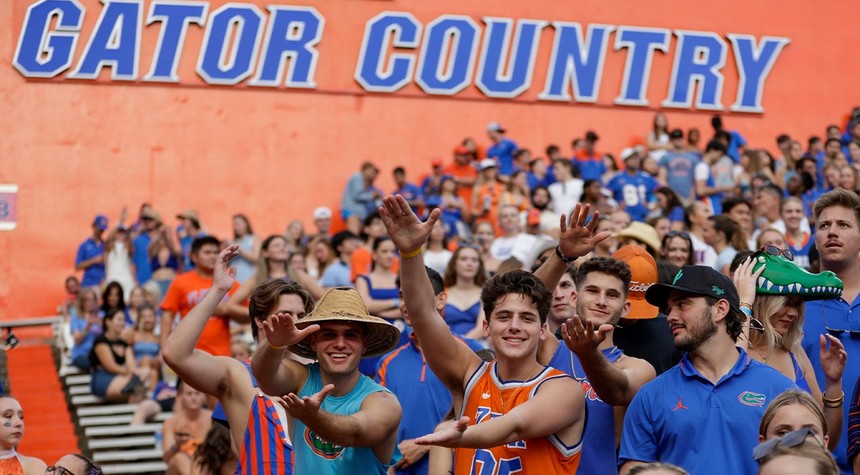
Yet the University of Florida has demonstrated that the facilities competition has not entirely disappeared. The university recently approved a stadium renovation project for Ben Hill Griffin Stadium with a reported price tag of $1.45 billion. The figure is extraordinary by any measure, particularly when considered alongside the tens of millions now required annually for competitive roster compensation.
The Florida project will rely on various financing mechanisms including long-term debt and project-generated revenues rather than immediate cash outlays. Nevertheless, the commitment illustrates the dual financial pressures now facing major athletic programs. They must simultaneously fund competitive player compensation while maintaining and upgrading physical infrastructure.
The question Whittingham and others in college football are grappling with is straightforward: Is this sustainable? Can athletic departments continue to meet both obligations indefinitely?
The traditional revenue streams for college athletics have not expanded at the same pace as these new expenditures. Television contracts remain lucrative, but they were negotiated before the current NIL environment took shape. Ticket sales and donations continue, but boosters now face competing demands for their contributions. Should they fund facilities, or should they fund the collectives that pay players directly?
Some programs have chosen to prioritize one over the other. Florida appears determined to pursue both simultaneously, though whether other institutions can follow that model remains uncertain.
The broader concern is what happens to programs that cannot keep pace financially. College football has always featured competitive imbalances, but the current system threatens to entrench those disparities permanently. A program unable to offer competitive NIL packages while also maintaining modern facilities may find itself unable to compete at the highest level.
What began as an effort to allow college athletes to profit from their own names and likenesses has evolved into something approaching professional sports economics, but without the revenue sharing and salary cap structures that provide competitive balance in professional leagues.
The sport stands at a crossroads. The decisions made in the coming years will determine whether college football can maintain its broad appeal or whether it fragments into a small tier of ultra-wealthy programs and everyone else.
Related: Ghost Gun Regulations Spread Across States Despite Second Amendment Concerns
