
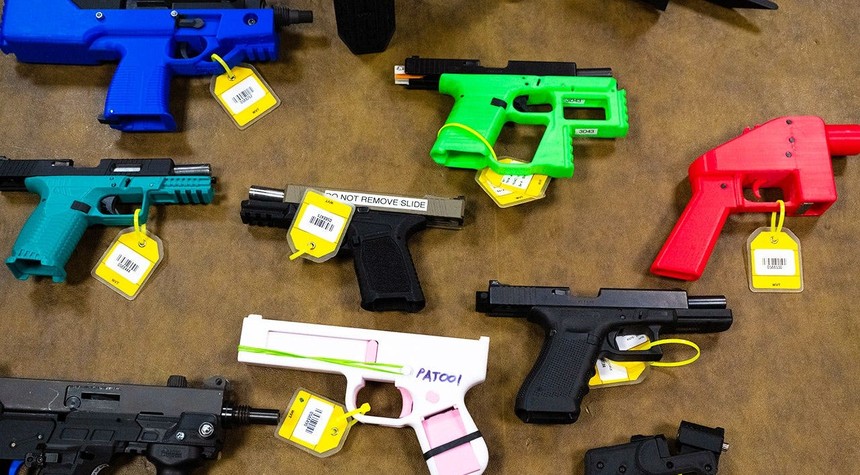
The debate over so-called ghost guns has reached a critical juncture as sixteen states have now enacted legislation restricting the manufacture and possession of 3D-printed firearms, with seven states adding significant measures this year alone.
These unserialized weapons, which can be produced using 3D printing technology, have drawn bipartisan concern from lawmakers who view them as a threat to public safety and law enforcement’s ability to trace firearms used in crimes. The recent legislative push has seen Colorado, New Jersey, Maine, New York, Virginia, and Washington impose various restrictions on weapons manufactured without serial numbers.
The Bureau of Alcohol, Tobacco, Firearms, and Explosives has issued warnings about devices such as the Glock switch, a small component that can convert a standard handgun into an automatic weapon. These modifications, often produced through 3D printing, represent what federal officials describe as a growing challenge to firearms regulation and public safety.
However, Second Amendment advocates have mounted substantial opposition to these measures, arguing that the restrictions represent an unconstitutional infringement on the fundamental right to bear arms. Gun rights organizations contend that the ability to manufacture firearms for personal use has existed since the founding of the republic and that modern technology simply represents a new method of exercising a longstanding constitutional right.
The legal landscape surrounding ghost guns remains complex. Proponents of regulation argue that unserialized firearms create significant obstacles for law enforcement agencies attempting to solve crimes and prevent weapons from falling into prohibited hands. Without serial numbers, these weapons cannot be traced through traditional channels, effectively rendering them invisible to the regulatory framework that governs conventional firearms commerce.
Critics of the new laws maintain that law-abiding citizens have legitimate reasons to manufacture their own firearms, including customization, cost savings, and the exercise of self-reliance. They argue that criminals intent on obtaining weapons will find means to do so regardless of regulations, and that these laws primarily burden responsible gun owners.
The bipartisan nature of the legislative efforts suggests that concerns about untraceable firearms transcend traditional political divisions, though the specific approaches vary considerably from state to state. Some jurisdictions have focused on banning the possession of ghost guns outright, while others have implemented registration requirements or restrictions on the sale of components used in their manufacture.
As this issue continues to evolve, it appears likely that additional states will consider similar measures. The tension between public safety concerns and constitutional rights will require careful consideration from lawmakers, courts, and citizens alike. What remains clear is that technological advancement has introduced new dimensions to an old debate, and the resolution of these questions will shape firearms policy for years to come.
The coming months will test whether these state-level approaches can withstand constitutional scrutiny while addressing the legitimate concerns that prompted their passage.
Related: Arizona Woman Wanted in Deadly Weapon Assault Remains at Large
