
The expansion of data centers across America has become the latest flashpoint in Congress, with Democratic lawmakers calling for stricter regulations while Republicans remain divided between economic opportunity and community concerns.
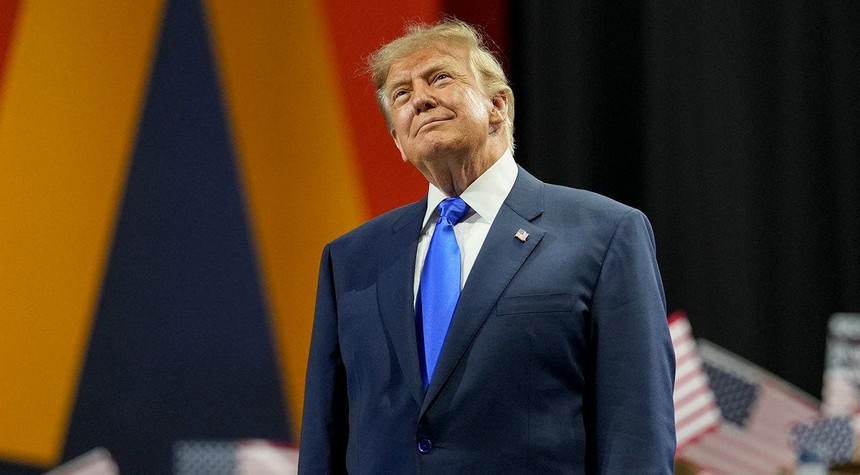
President Donald Trump reaffirmed his support for accelerated data center development this week, rejecting calls to slow construction. The president has previously warned that communities blocking these facilities would “end up being backwards and poor,” framing the issue as critical to America’s position in the global artificial intelligence competition.
Representative Yassamin Ansari of Arizona told reporters last month that her state must pause data center expansion until officials conduct a comprehensive assessment of long-term consequences.
“We in Arizona need to pause the expansion of data centers in the state until we really figure out a plan on how we’re going to preserve our water, how we are going to make sure that ratepayers aren’t taking on the responsibility,” Ansari stated.
The Arizona congresswoman characterized the president’s position as disconnected from public sentiment, suggesting that if Trump supports data centers so strongly, he should welcome them near his own properties.
Representative Ro Khanna of California has proposed legislation known as the Data Center Bill of Rights, which would prohibit construction of these facilities within 2,500 feet of residential homes, schools, childcare centers, hospitals, and nursing homes. The measure would also grant communities greater authority over placement decisions.
Khanna dismissed the president’s warnings about communities falling behind economically, asserting that Trump has not delivered for ordinary Americans.
Representative Jonathan Jackson of Illinois emphasized that lawmakers must consider what proves fair for local communities affected by data center development.
“The wealth has gone into the tech sector, and they are unregulated, unbridled and not very philanthropic,” Jackson observed.
The question of who bears the financial burden of expanding electrical infrastructure has emerged as a central concern. Representative Haley Stevens of Michigan expressed frustration that average ratepayers face higher electricity bills as data centers require massive amounts of power.
“It baffles me that we are just not guaranteeing, for average ratepayers, low utility bills,” Stevens said. “These data centers could play a role in that.”
Republican lawmakers have not presented a unified front on the issue. Some view data center development as essential for economic growth and maintaining technological superiority over China, while others stress the importance of local control over land use decisions.
Representative Nancy Mace of South Carolina voiced support for artificial intelligence investment as necessary to remain competitive with China in the technology sector.
The debate reflects broader tensions between national economic interests and local community concerns. Data centers require substantial electrical power and water resources, raising questions about infrastructure capacity and cost distribution. Communities near proposed facilities have organized opposition, concerned about environmental impact and utility rate increases.
As artificial intelligence capabilities expand rapidly, the demand for data processing infrastructure continues to grow. The resolution of this congressional debate will likely shape both America’s technological trajectory and the character of communities nationwide for years to come.
Related: British Hospital Inquiry Reveals Systemic Failures in Lucy Letby Murder Case
