
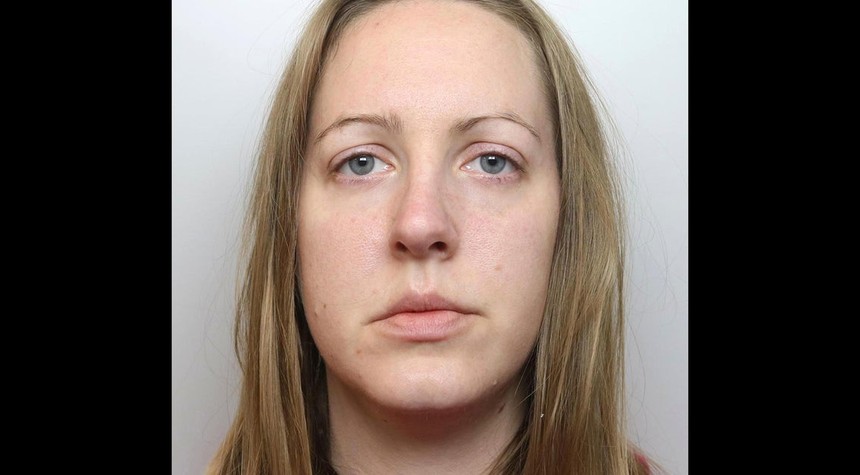
A comprehensive judicial inquiry has concluded that systematic institutional failures at an English hospital enabled convicted murderer Lucy Letby to harm vulnerable newborns, with officials determining that lives could have been saved if management had acted sooner.
Justice Kathryn Thirlwall delivered a damning assessment Tuesday of the Countess of Chester Hospital in northwestern England, where Letby worked as a neonatal nurse before her conviction for murdering seven infants and attempting to kill seven others. The inquiry, which heard testimony from more than 130 witnesses and reviewed 400 statements over six months, painted a picture of catastrophic negligence at every level of hospital administration.
“Errors were made by nurses, doctors and managers,” Justice Thirlwall stated. “There was also complete failure at all levels to invoke safeguarding procedures at any point.”
The inquiry’s findings raise troubling questions about institutional accountability. While Letby, now 36, is serving 15 consecutive life sentences without possibility of release, the investigation revealed that hospital staff and administrators failed to intervene even as patterns emerged that someone was deliberately harming babies under their care.
“How many lives could have been saved had the hospital acted differently?” Justice Thirlwall asked. “It is clear that some babies would have been saved and some attacks would have been prevented if action was taken earlier.”
The scope of the institutional failure extended beyond mere oversight. Justice Thirlwall found that parents of affected infants were “kept in the dark for years” regarding concerns that their children may have been deliberately harmed. She characterized the hospital’s treatment of these families as “reprehensible” and noted that executives cynically used the risk of upsetting parents as justification for not involving law enforcement.
Letby was convicted in 2023 of murdering seven infants and attempting to murder six others, with an additional attempted murder conviction following a retrial in July. She became only the fourth woman in United Kingdom history to receive a whole-life order, ensuring she will never be released from prison.
The inquiry documented how prosecutors proved Letby harmed babies using methods that left minimal physical evidence. These included injecting air into bloodstreams, administering air or milk into stomachs through feeding tubes, poisoning infants with insulin, and interfering with breathing apparatus. She was the sole staff member on duty during each incident when children collapsed or died between June 2015 and June 2016.
Prosecutors characterized her as a “constant malevolent presence” in the neonatal unit.
Justice Thirlwall noted that removing the babies Letby murdered from annual mortality statistics would have shown death rates of three in both 2015 and 2016, figures consistent with previous years. This statistical analysis underscores how the hospital’s failure to recognize the pattern enabled the crimes to continue.
While Letby maintains her innocence and a defense team supported by scientists continues efforts to challenge her convictions, Justice Thirlwall’s inquiry did not examine the validity of those convictions. Instead, it focused on the institutional environment that allowed a predator to operate undetected and the failures that compounded the tragedy for grieving families.
The report serves as a sobering reminder that institutional accountability matters as much as individual culpability when protecting society’s most vulnerable.
Related: Gold Trading at Historic Levels as Market Volatility Continues
