
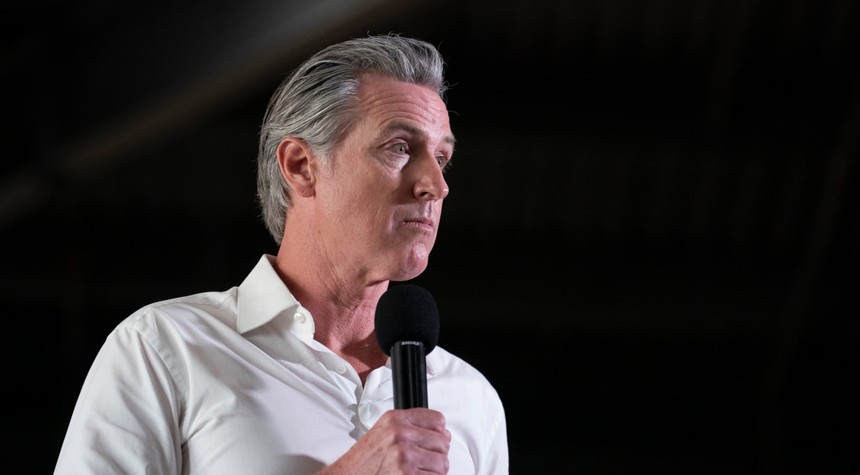
California Governor Gavin Newsom has declared he will not pursue the presidency in 2028 if former Vice President Kamala Harris decides to seek the Democratic nomination, a development that raises significant questions about the Democratic Party’s direction following its recent electoral setbacks.
In remarks that aired Monday evening, Newsom stated unequivocally that a contest between two prominent California Democrats would serve no productive purpose. The governor characterized such a primary battle as “mutual assured destruction” that would benefit neither candidate while providing their opponents with what he termed an electoral “gift.”
“I wouldn’t run if she ran,” Newsom said, noting the substantial overlap between their political bases and support networks. “I know her base of supporters; I know her friends. I wouldn’t do that to people.”
The governor’s preemptive withdrawal represents an unusual moment in presidential politics, where potential candidates typically avoid such definitive statements years before primary contests begin. Newsom acknowledged that a straightforward argument could be made that Harris, having competed in both 2020 and 2024 presidential campaigns, has already had her opportunities on the national stage.
“That would be the case you’d make. Pretty good one, actually. You know, that’s objectively true,” Newsom conceded, though he made clear he would not personally advance such reasoning against his fellow Californian.
Harris served as California’s attorney general before representing the state in the Senate and subsequently serving as vice president under President Biden. Her political career has been closely intertwined with California’s Democratic establishment, the same network that has supported Newsom’s rise to the governorship.
The former vice president has remained circumspect about her intentions for 2028. In July, Harris indicated she had not reached a decision and preferred to focus on the midterm elections. However, she told the Reverend Al Sharpton in April that she was “thinking about” a third presidential campaign.
Newsom’s gubernatorial term concludes in the coming months, and he had previously indicated he would make a final decision about presidential aspirations following the 2026 midterm elections. Recent travel to South Carolina, which will host the first Democratic primary in 2028, had fueled speculation about his national ambitions.
The governor’s announcement effectively clears a potential obstacle from Harris’s path should she choose to run, though it also places the Democratic Party in the position of potentially nominating a candidate who has twice failed to secure the presidency. For Republicans, the prospect of facing either candidate presents opportunities, given California’s struggles with homelessness, crime, and cost-of-living issues that have driven residents to other states.
The Democratic field for 2028 remains uncertain, with several potential candidates likely weighing the implications of Newsom’s decision and Harris’s ultimate choice. What remains clear is that California’s influence over the Democratic Party’s future direction continues unabated, for better or worse.
Related: House Votes Unanimously to End Penny Production After 232 Years
