
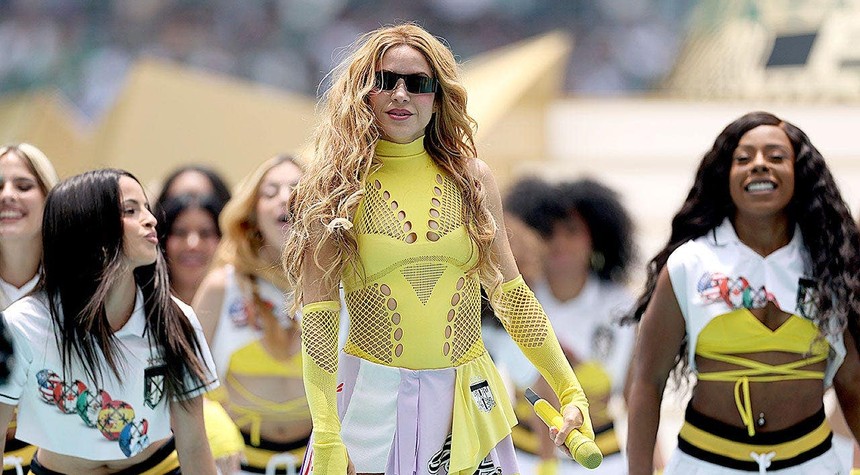
The opening ceremonies of the FIFA World Cup commenced this week in Mexico, marking the beginning of one of the world’s most watched sporting events. Colombian singer Shakira performed the tournament’s official anthem during Thursday’s festivities, continuing a tradition that has become synonymous with the international soccer competition.
The ceremony represents more than simply the start of a month-long tournament. For many Americans, it signals the arrival of summer’s peak season, when outdoor gatherings and sporting events dominate the cultural calendar.
Meanwhile, in New York City, anticipation continues to build among basketball enthusiasts regarding the possibility of a championship for the Knicks. The storied franchise, which last won an NBA title in 1973, maintains a devoted following despite decades of disappointment. Madison Square Garden remains one of professional basketball’s most iconic venues, and the prospect of a championship celebration has energized the city’s sports community.
The convergence of these sporting events during the summer months reflects a broader pattern in American leisure culture. Major tournaments and championships traditionally cluster during warmer weather, when outdoor viewing parties and stadium attendance reach their peak.
Soccer, while not commanding the same television audiences in the United States as football or basketball, has steadily grown in popularity over recent decades. The World Cup represents the sport’s quadrennial opportunity to capture mainstream American attention. Previous tournaments have demonstrated that even casual sports fans will tune in for marquee matches, particularly as the competition advances to elimination rounds.
The opening ceremony’s musical performances have become integral to the World Cup’s identity. These productions blend athletic competition with cultural celebration, creating spectacles designed to appeal across international boundaries. Such events serve dual purposes: entertaining global audiences while showcasing the host nation’s cultural heritage.
For American viewers, the World Cup’s timing coincides with traditional summer activities. Backyard gatherings, outdoor cooking, and extended daylight hours create natural opportunities for communal viewing experiences. The tournament’s schedule, spanning several weeks, provides a backdrop for the season’s social calendar.
The contrast between global soccer enthusiasm and American sports preferences remains notable. While the World Cup captivates billions worldwide, domestic sports leagues continue to dominate American viewership. Nevertheless, the tournament’s cultural significance transcends pure athletic competition, functioning as a shared international experience that occurs only once every four years.
As summer progresses, these sporting events will compete for attention alongside traditional American pastimes. Whether the draw is international soccer or the possibility of a long-awaited basketball championship, the season’s sporting calendar offers ample opportunity for both casual observers and dedicated fans.
The coming weeks will reveal whether these events deliver on their promise of memorable moments and historic achievements. For now, the ceremonies and anticipation remind us that sports remain a central feature of American summer culture.
Related: Kennedy Denounces Report on His Management of Health Department
