
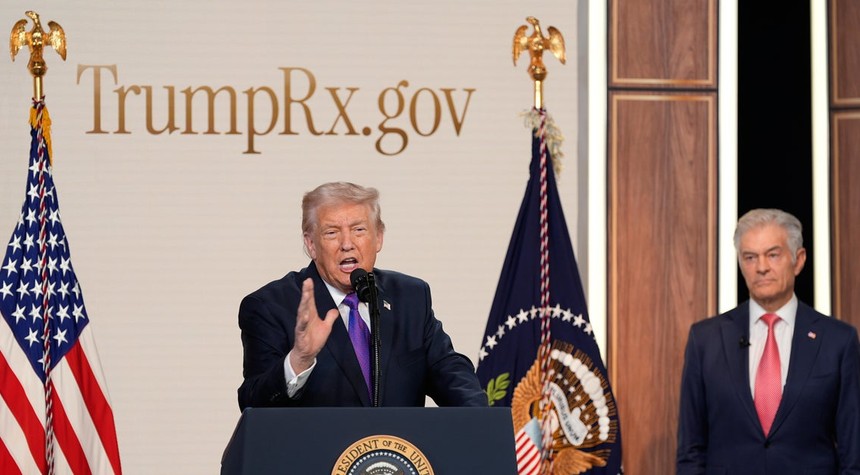
President Trump has embarked upon an ambitious campaign to address one of the most persistent concerns facing American families: the escalating cost of prescription medications. Since the commencement of his second term, the administration has announced a series of initiatives targeting what many perceive as excessive pricing practices within the pharmaceutical industry.
The concern is widespread and well-documented. A recent nationwide poll demonstrates that approximately 60 percent of American adults harbor significant anxiety about their ability to afford prescription drug costs for themselves and their families. More than 80 percent of respondents characterize current prescription drug prices as unreasonable. The data reveals a troubling reality: Americans pay roughly three times as much as citizens in other developed nations for identical medications.
In July, the president dispatched letters to 17 pharmaceutical manufacturers, requesting voluntary price reductions. This was followed by individual meetings at the White House with more than a dozen pharmaceutical executives. In December, the administration announced it had secured agreements for “most favored nation” pricing on Medicaid, the federal program providing coverage for low-income Americans.
The administration subsequently unveiled TrumpRx, an online platform designed to help cash-paying patients locate discounted medications. Additionally, the president promised to expedite approval of biosimilar products, which serve as generic alternatives to certain high-priced specialty drugs, by streamlining Food and Drug Administration procedures.
However, the actual scope and impact of these initiatives remain subjects of considerable uncertainty. The details of the negotiations, including which specific medications are covered under these arrangements, have not been made clear. White House inquiries seeking clarification on TrumpRx implementation have gone unanswered.
Several factors limit the potential reach of these programs. Medicaid already secures medications at substantially reduced prices through existing statutory mechanisms. For other patients, commercial drug discount programs may offer superior alternatives, providing access to a far broader range of products. Many insured patients may find better value through their existing coverage combined with manufacturer copayment assistance programs.
Consequently, the proportion of Americans likely to experience meaningful benefit from these new options appears relatively modest, though some individuals will undoubtedly see improvements in their situations.
Mark Cuban, a prominent investor who has undertaken his own initiative to reduce drug costs through the Mark Cuban Cost Plus Drug Co., offered measured support for the effort. He noted that any program making a tangible difference for patients represents progress. Cuban specifically highlighted discounted pricing available through TrumpRx for branded fertility medications and weight loss drugs in the GLP-1 category, particularly for individuals lacking insurance coverage or whose plans exclude such treatments.
The pharmaceutical pricing challenge represents one of the most complex policy issues confronting American healthcare. While the administration’s efforts demonstrate recognition of a genuine problem affecting millions of Americans, the ultimate effectiveness of these initiatives will depend upon implementation details that remain, at present, inadequately defined. The American people deserve transparency regarding which medications are covered, what savings can realistically be expected, and how many citizens will actually benefit from these programs.
And that is the way it is.
Related: Ultramarathon Runner Dies During 250-Mile Arizona Desert Race
