
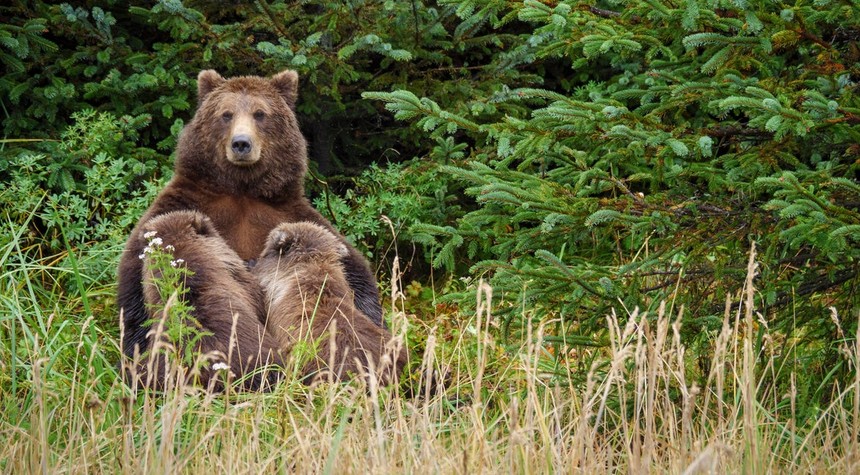
A Superior Court judge in Alaska has ruled that state wildlife officials may resume lethal management of bear populations, including aerial operations, as part of an effort to restore a critically diminished caribou herd that has historically sustained Alaska Native communities.
Superior Court Judge Adolf Zeman issued his decision Wednesday, denying a request from two conservation organizations to halt the program while their legal challenge proceeds. The Alaska Wildlife Alliance and Center for Biological Diversity had sought an injunction against the bear management plan, arguing questions about its legality warranted a pause in operations.
Judge Zeman determined that the conservation groups had not demonstrated that state wildlife officials lacked a reasonable basis for approving the management strategy. His ruling arrives at a critical juncture in the annual wildlife cycle. The Mulchatna caribou herd in southwest Alaska will soon begin its calving season, a period when newborn animals face their greatest vulnerability to predation from bears and wolves.
The Mulchatna herd represents far more than a wildlife management challenge. For dozens of Alaska Native communities across the southwest region, these caribou have long provided essential sustenance. At its peak, the herd numbered approximately 190,000 animals and supplied up to 4,770 caribou annually for subsistence hunters whose traditional way of life depends upon this resource.
That population has declined dramatically in recent years, though the article does not specify current numbers. State wildlife officials have concluded that predator management, including the reduction of bear populations, represents a necessary intervention to allow herd recovery.
The use of helicopters in wildlife management operations remains controversial among conservation advocates, who view such methods as excessive. However, Alaska’s vast and often inaccessible terrain presents unique challenges that state officials argue justify aerial operations. The state maintains that such measures, while difficult, serve the dual purpose of wildlife conservation and protecting the food security of rural communities with limited alternatives.
The legal challenge filed by the conservation groups continues despite this setback. Their lawsuit questions the fundamental legality of the bear management program, though Judge Zeman’s ruling suggests they face a substantial burden in proving the state exceeded its authority or acted arbitrarily.
Alaska has long navigated the tension between wildlife conservation and the practical needs of its residents, particularly those in remote areas where subsistence hunting remains not merely traditional but necessary. The state’s Department of Fish and Game operates under mandates that require balancing ecosystem health with human needs, a task that grows more complex as animal populations fluctuate.
The coming weeks will prove decisive for the Mulchatna herd’s youngest members. Whether the state’s intervention successfully reduces predation and allows the caribou population to stabilize remains to be seen. What stands beyond dispute is that communities across southwest Alaska are watching closely, their food security and cultural heritage hanging in the balance.
Related: Search Continues for Missing Child as Mississippi Assesses Tornado Damage
