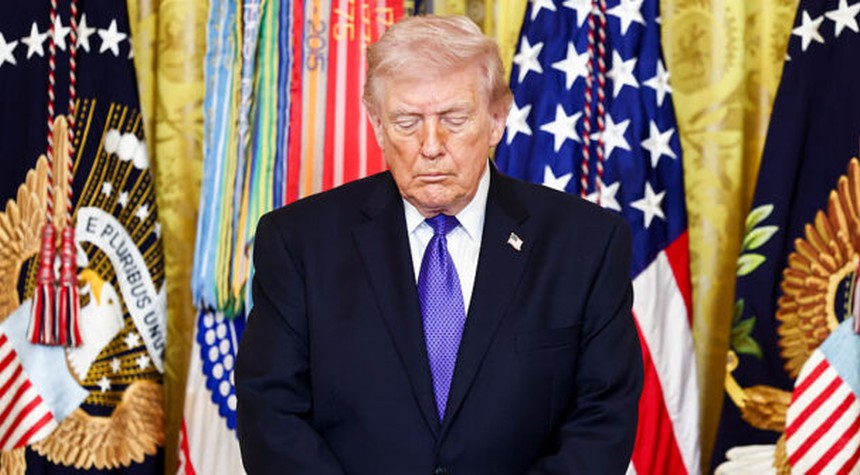
President Donald Trump has publicly expressed significant disappointment with British Prime Minister Sir Keir Starmer following Britain’s refusal to allow American forces to use joint military bases for strikes against Iran’s military and weapons infrastructure.
In remarks to a British publication, the President delivered pointed criticism of the Labour government’s hesitancy to support American military operations, suggesting that such reluctance may represent an unprecedented departure in the history of the Anglo-American special relationship.
The British government prevented the United States from launching strikes from American military installations on British territory, including the strategically vital Diego Garcia base in the Indian Ocean and Royal Air Force Fairford in England, which serves as the United States Air Force’s primary bomber facility in Europe. Diego Garcia holds particular strategic importance due to its unobstructed flight path to Iran, requiring no overflight of third-party nations.
According to the President, Prime Minister Starmer cited legal concerns as the basis for his decision. “It sounds like he was worried about the legality,” Trump observed, noting that such caution appears misplaced given Iran’s documented hostility toward the United Kingdom.
The President characterized this legal preoccupation as imprudent, particularly in light of the Iranian regime’s long-standing threats against British interests.
Nearly two days after American operations commenced, the British government modified its position and granted limited access to the bases. However, substantial restrictions remained in place. American aircraft could utilize the facilities solely for defensive operations, not for offensive strike missions against Iranian targets.
While acknowledging this adjustment as “useful,” President Trump indicated that Prime Minister Starmer “took far too much time” to reach even this constrained accommodation.
The President also addressed the ongoing controversy surrounding Britain’s planned transfer of sovereignty over the territory containing the Diego Garcia installation. Rather than accepting the judgment of an international tribunal, Trump suggested, the British government should have “fought” to retain control of its sovereign territory. He described the Labour government’s approach as “woke,” concluding that “we were very disappointed in Keir.”
Secretary of Defense Pete Hegseth echoed these concerns about allied hesitancy. While praising Israel’s decisive action, Hegseth offered implicit criticism of European allies, stating that “capable partners are good partners,” in contrast to “traditional allies who wring their hands and clutch their pearls hemming and hawing about the use of force.”
The episode highlights growing tensions between Washington and London under the current Labour government. The special relationship between the United States and Britain has historically been characterized by close military cooperation and mutual support during times of crisis. This incident suggests that relationship may face challenges as the two nations navigate differing approaches to international law and the use of military force.
The disagreement raises questions about the future of transatlantic defense cooperation and whether legal considerations will increasingly constrain military partnerships that have formed the backbone of Western security architecture for decades.
Related: Iranian Drones Strike United States Embassy in Saudi Arabia