
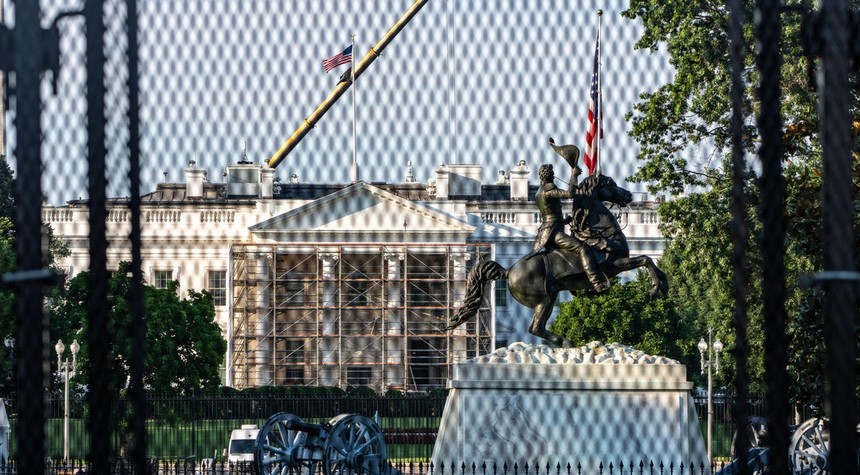
The Trump administration is deliberating a significant change to the security infrastructure surrounding the White House, with officials considering the installation of permanent fencing along Pennsylvania Avenue and around Lafayette Square.
Sources familiar with the discussions indicate that the proposal aims to enhance security while simultaneously reducing the substantial costs associated with repeatedly erecting and dismantling temporary barriers for special events and security operations. The decision, as of Friday, remained pending President Trump’s final approval.
Pennsylvania Avenue holds particular significance in the American consciousness. This historic thoroughfare connects the White House to the United States Capitol, offering visitors one of the nation’s most recognizable vistas: the view of the North Portico, which serves as the public entrance to the executive mansion. Any permanent alteration to this landscape represents a consequential decision with both practical and symbolic implications.
The proposal remains in preliminary stages, with no contractors yet retained for the work. Officials are exploring the possibility of repurposing existing fencing materials already deployed regularly for major events and heightened security situations, though the extent of additional construction requirements remains undetermined.
Under the framework being discussed, the permanent fencing would be positioned near 15th and 17th Streets along Pennsylvania Avenue. Importantly, the plan would preserve operational flexibility, allowing the Secret Service and White House personnel to open and close sections of the barrier as security conditions warrant.
The deliberations come against a backdrop of ongoing security concerns regarding the presidential complex. A shooting incident near the White House in late May, which occurred in the vicinity of the 17th Street entrance, underscored the persistent vulnerabilities facing those tasked with protecting the nation’s chief executive.
Questions remain about whether aesthetic considerations might influence the president’s decision. The visual impact of permanent fencing along one of Washington’s most photographed streets could prove a factor in the final determination.
When contacted for comment, the Secret Service directed inquiries to the White House. A White House official provided a measured response, stating that discussions regarding complex security are continuous but that no final decisions have been reached. The official emphasized that any projects ultimately pursued would undergo appropriate review processes.
The proposal reflects the ongoing challenge facing security professionals: balancing the imperative to protect the president and the White House grounds with the democratic ideal of an accessible executive mansion. Since the September 11 attacks, security measures around the White House have incrementally increased, each addition representing a calculation between safety and openness.
The permanent fencing proposal, should it receive final approval, would mark another step in the evolution of White House security infrastructure, one that future administrations would inherit and adapt to their own security requirements and philosophical approaches to presidential accessibility.
Related: Mexican Construction Worker Killed After ICE Agents Pursued Wrong Suspects
