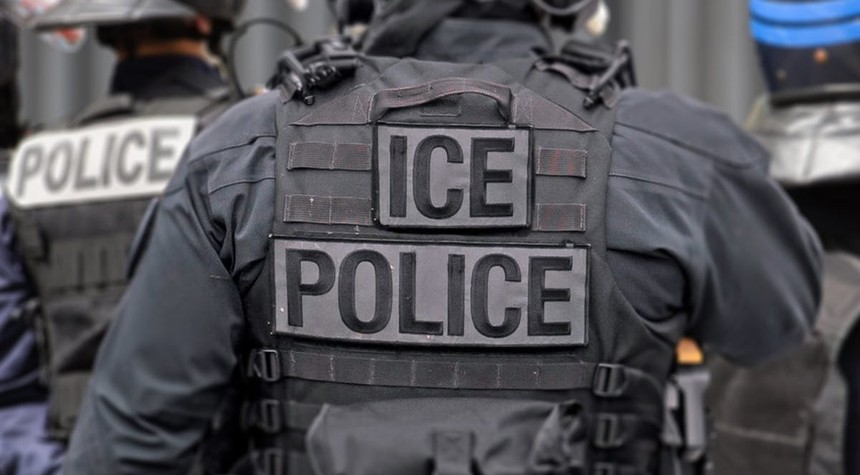
Federal immigration agents shot and killed a Mexican immigrant in Texas on Tuesday during what authorities now acknowledge was a case of mistaken identity, according to the Department of Homeland Security.
Lorenzo Salgado Araujo, a 52-year-old construction worker and father of three, was not the subject of an Immigration and Customs Enforcement investigation. Agents were searching for two individuals from Guatemala whom they believed were traveling in the white van Araujo was driving. Those individuals were not in the vehicle.
The Department of Homeland Security confirmed that agents had received what they described as a credible tip from law enforcement partners and conducted surveillance on an address associated with their targets. According to the department’s statement, officers had noted two white vans at the property during surveillance conducted weeks before the incident.
On July 7, as officers approached the target address, they observed a white van with an individual who resembled one of their targets. Officers then initiated a vehicle stop using an unmarked vehicle.
The encounter ended with Araujo being shot on the right side of his body after federal agents said he refused their commands. Emergency services were called immediately following the shooting. Video footage from the scene shows Araujo lying on the ground with a federal agent beside him.
The officers involved in the incident were not wearing body cameras. A Department of Homeland Security spokesperson stated that the officers had not been issued body-worn cameras due to what the department characterized as back-to-back Democrat shutdowns. The spokesperson indicated that officers are expected to receive body cameras within the next 60 days. Currently, more than half of ICE field officers have been equipped with body cameras.
This lack of recorded documentation stands in stark contrast to previous shootings involving federal immigration agents, such as the January incident in Minneapolis involving Renee Good and Alex Pretti, which was captured extensively on video. The limited video evidence from this incident has come primarily from bystanders rather than law enforcement sources.
The shooting raises serious questions about operational procedures and identification protocols during immigration enforcement operations. The fact that agents initiated a vehicle stop based on resemblance to a suspect, only to discover they had stopped an entirely different individual with no connection to their investigation, points to potential gaps in verification procedures before engaging with civilians.
The timing of body camera deployment also raises concerns. While the Department of Homeland Security attributes the lack of body cameras to government shutdowns, the absence of such equipment during active enforcement operations leaves both officers and the public without crucial documentation when incidents like this occur.
As federal immigration enforcement operations have intensified, the balance between effective law enforcement and proper safeguards for both agents and civilians remains a matter of considerable importance. This incident underscores the critical need for accurate identification procedures and comprehensive documentation of all enforcement actions.
The investigation into the shooting continues.
Related: Air Force Rescinds 135 Promotions After Scoring Error on Security Forces Exam