
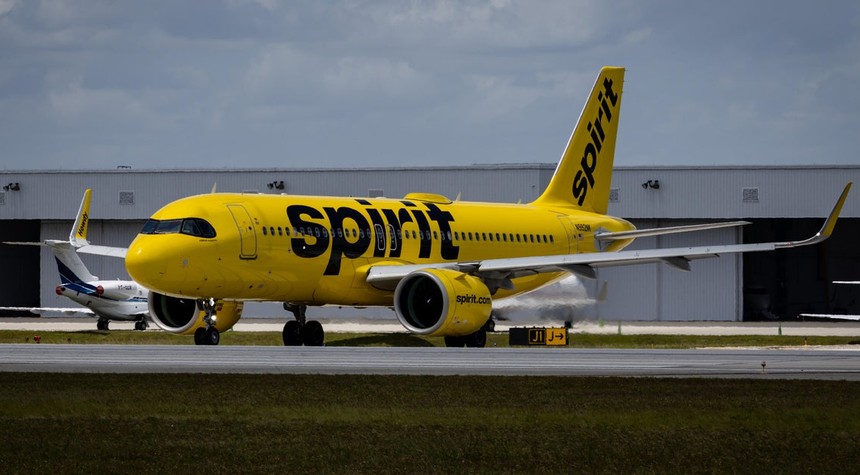
President Trump confirmed Thursday that his administration is actively considering a taxpayer-funded acquisition of Spirit Airlines, with plans to resell the struggling budget carrier once economic conditions improve.
The president’s remarks came during an Oval Office event, following revelations in U.S. Bankruptcy Court that Spirit has entered advanced negotiations with the federal government regarding a financing arrangement. Such a deal would enable the airline to emerge from Chapter 11 bankruptcy protection, which the company entered earlier this year.
“They have some good aircraft and good assets, and when the prices of oil goes down, we’ll sell it for a profit,” the president stated. He emphasized the potential to preserve jobs while protecting taxpayer interests through an eventual profitable sale.
The proposal represents an unusual intervention in the private airline industry, though not without historical precedent. The president framed the potential acquisition as both an economic opportunity and a jobs preservation measure.
“I’d love to be able to save those jobs. I’d love to be able to save an airline,” Trump said. “And we’re looking, if we could get it for the right price, I’d do it to save the jobs.”
Spirit Airlines, known for its no-frills service and budget fares, has faced mounting financial pressures in recent years. The carrier’s difficulties have been compounded by volatile fuel costs, increased competition, and shifting consumer preferences in the post-pandemic travel market.
The president first hinted at federal involvement in Spirit’s future on Tuesday, when he publicly encouraged potential buyers to consider rescuing the airline while suggesting government assistance might be available to facilitate such a transaction.
Administration officials have sought to attribute Spirit’s financial troubles to policies implemented during the previous administration. The White House contends that regulatory decisions and enforcement actions during the Biden years contributed to the airline’s current predicament.
The proposed government intervention raises questions about the appropriate role of federal involvement in private enterprise. While supporters argue that preserving jobs and protecting aviation infrastructure justifies such measures, critics may point to concerns about market distortion and the use of taxpayer funds for corporate acquisitions.
The strategy outlined by the president hinges on timing the resale to coincide with lower oil prices, which would presumably make the airline more attractive to potential buyers and increase its overall value. Such an approach would require careful management and favorable market conditions to achieve the profitable outcome the administration envisions.
As negotiations between Spirit and the government continue, the airline industry watches closely. The outcome could set precedents for how the federal government addresses corporate distress in the aviation sector and potentially other industries.
The administration has not disclosed specific terms under consideration or a timeline for reaching a final decision on the Spirit acquisition proposal.
Related: Airline Accused of Using Personal Information to Set Individual Ticket Prices
