
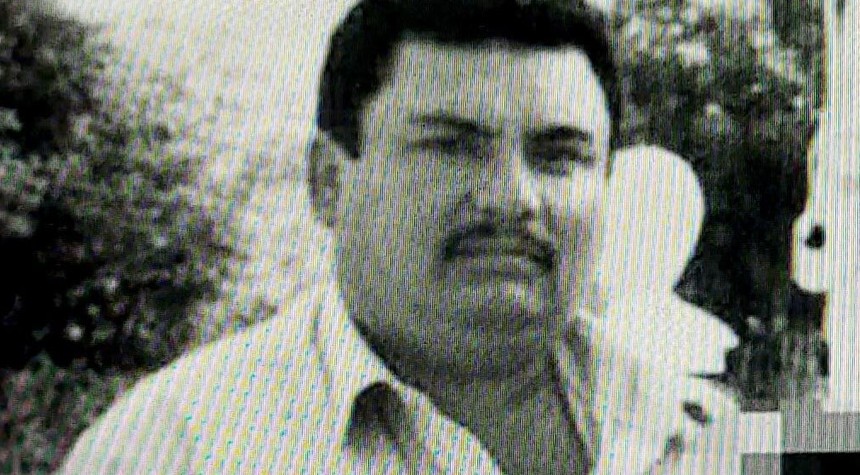
Mexican military forces have detained ten members of the Sinaloa cartel in a significant operation targeting the criminal network of Aureliano Guzman Loera, known by his alias “El Guano,” who is the brother of imprisoned drug kingpin Joaquin “El Chapo” Guzman. The operation was conducted with intelligence provided by the United States government.
The arrests took place in Tamazula, a remote mountainous village situated near the border between Durango and Sinaloa states, an area where El Guano has maintained his strongest operational control. Among those captured were three individuals identified by Mexican defense officials as El Guano’s most trusted operatives: his right-hand man, his chief bodyguard, and his primary financial and logistical coordinator.
This represents a substantial blow to the faction of the Sinaloa cartel that has remained loyal to the Guzman family. The United States State Department has placed a five million dollar reward for information leading to Aureliano Guzman’s arrest and conviction, underscoring the significance American authorities place on dismantling his organization.
The operation follows a previous deployment in December, when Mexican marines supported by helicopter units moved into the same region in an unsuccessful attempt to capture El Guano himself. The persistence of Mexican forces in targeting this particular cartel faction reflects the ongoing commitment to disrupting the organization’s leadership structure.
The broader context of these arrests involves a violent power struggle within the Sinaloa cartel itself. Following El Chapo’s life sentence in the United States, where two of his sons also await trial, his former associates have engaged in a brutal conflict for control of the organization. This internal war pits factions loyal to the Guzman family against those aligned with Ismael Zambada, the cartel’s cofounder who is similarly awaiting trial in American courts.
The mountainous sierra region where this operation unfolded holds particular significance in the history of the Sinaloa cartel. These remote highlands served as El Chapo’s primary refuge for years, providing natural defenses against law enforcement operations and allowing cartel leadership to maintain command of their criminal enterprise.
However, this latest military action occurs during a period of heightened diplomatic tensions between Mexico and the United States. The strain centers on the presence of two American agents who participated in an anti-narcotics operation that apparently proceeded without proper authorization from Mexican President Claudia Sheinbaum’s administration. The situation grew more serious when both American agents were killed, along with two Mexican officials, in an automobile accident.
The incident has raised questions about coordination and sovereignty in bilateral anti-drug efforts, even as the two nations continue to share intelligence and cooperate on operations such as the one that resulted in these recent arrests. The delicate balance between effective law enforcement cooperation and respect for national authority remains a persistent challenge in the ongoing effort to combat transnational criminal organizations operating along the shared border.
