
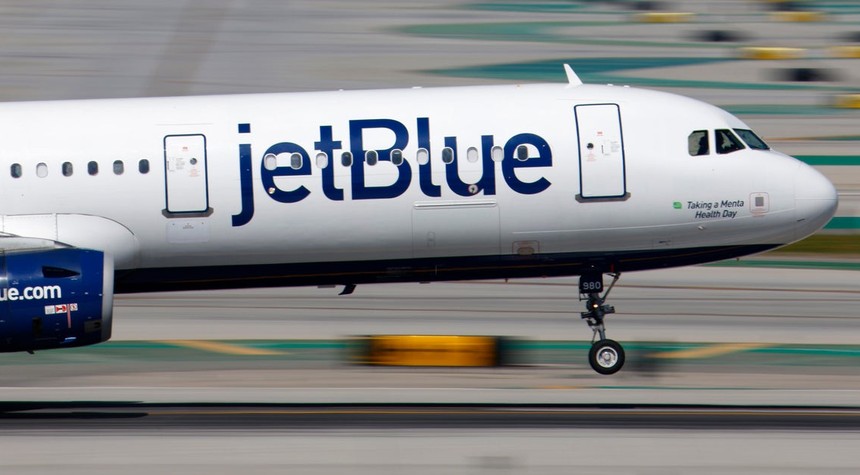
A proposed class action lawsuit filed in federal court accuses JetBlue Airways of collecting customer data without consent and using that information to manipulate ticket prices, raising significant questions about consumer privacy in the digital marketplace.
Andrew Phillips, a New York resident, filed the complaint alleging that JetBlue tracked his personal information while he browsed the airline’s website to book airfare. According to the lawsuit, this data collection serves the express purpose of setting individualized pricing, a practice that could result in different customers paying different amounts for identical seats based on their internet history, demographic information, and other personal factors.
The lawsuit contends that consumers should not be forced to surrender their privacy rights simply to purchase airline tickets. Phillips argues that similarly seated passengers should pay the same price for their tickets, and that JetBlue’s alleged practices allow the company to manipulate prices in real time to maximize revenue from individual customers who never consented to such data collection.
The complaint further alleges that Phillips received no notification that his information was being monitored or potentially sold to third parties.
JetBlue has categorically denied the allegations. In a statement, the airline maintained that it does not use personal information or web browsing history to establish individual pricing. The carrier stated that fares are determined solely by demand and seat availability, and that all customers have equal access to the same fares through the company’s website and mobile application.
However, the lawsuit claims JetBlue’s website employs technology capable of tracking consumers’ online browsing activity and collecting their data. The complaint describes a familiar scenario to many travelers: when a consumer searches for airline tickets and closes the browser window, prices increase upon returning to complete the purchase.
This practice falls under what has become known as “surveillance pricing,” wherein companies leverage consumers’ personal information such as location data or browser history to charge different prices for identical goods or services. The concern has intensified as airlines increasingly turn to artificial intelligence systems to set fares.
The lawsuit points to what it characterizes as an inadvertent admission by JetBlue. In an April social media exchange, a customer complained about a two hundred thirty dollar price increase after just one day, explaining the urgency of attending a funeral. JetBlue’s response suggested clearing cache and cookies or using an incognito browser window. The airline subsequently deleted this response.
JetBlue addressed this incident directly, stating that the social media reply was simply an error by an individual customer service employee. The airline emphasized that the suggested steps would not have altered the available airfares.
Phillips seeks damages under the Electronic Communications Privacy Act, a federal anti-wiretap statute designed to protect consumers from unauthorized interception of their electronic communications.
The case arrives at a moment when consumer advocates and regulators are scrutinizing dynamic pricing practices across industries, particularly as artificial intelligence makes personalized pricing increasingly sophisticated and difficult to detect.
Related: Kennedy Center Officials Release Documentation Supporting $257 Million Repair Plan
