
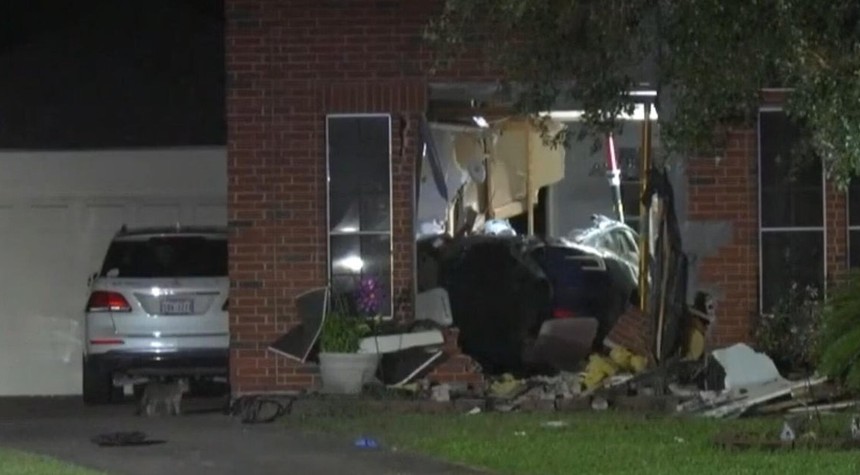
A 76-year-old Texas woman was killed Friday evening when a Tesla traveling at high speed crashed through the wall of her Katy home, pinning her against the wall with her own refrigerator. The driver told authorities the vehicle was operating on autopilot at the time of the fatal collision.
Martha Avila died at the scene while her family, including her daughter Jennifer Barbour, was present in the home. The tragedy has reignited concerns about the safety and reliability of autonomous driving systems in consumer vehicles.
“My mom was such a caring woman,” Barbour said in the aftermath of the incident. “She still had her whole life ahead of her.”
Barbour recounted the horrifying moments following the crash. “As I was talking to the 911 operator, that’s when we saw my mom, like under the rubble. She was pinned against the wall because he pushed her fridge, like, against her.”
Surveillance footage from a neighboring property captured the Tesla traveling at what appears to be excessive speed down the residential street in the moments before impact. The video raises questions about whether the vehicle’s autonomous systems were functioning properly or whether driver intervention could have prevented the tragedy.
The 44-year-old driver was transported to a local hospital following the crash. According to Sergeant Alex Turman of the Harris County Sheriff’s Office, the driver appeared neither intoxicated nor impaired and cooperated fully with investigators. Authorities confirmed the driver’s claim that the Tesla was operating in autopilot mode during the incident.
“We’ve asked people who are familiar with Teslas as well as the driver involved in the car to see what role the driver’s control over the car played in this crash,” Turman stated.
The investigation remains ongoing, and no charges have been filed against the driver at this time. Authorities are working to determine the extent to which the autopilot system may have malfunctioned and whether the driver maintained appropriate supervision of the vehicle as required by Tesla’s operating guidelines.
Tesla has not responded to requests for comment regarding the fatal incident. The company maintains in its safety reports that vehicles operating in self-driving mode, when paired with active human supervision, experience fewer collisions per mile driven than the national average for all vehicles.
However, this claim has faced scrutiny as similar incidents involving Tesla’s autopilot feature have occurred across the country. Critics argue that the technology may create a false sense of security among drivers, leading to reduced vigilance behind the wheel.
The case underscores the broader debate surrounding autonomous vehicle technology and the regulatory framework governing its deployment on public roads. As these systems become increasingly prevalent, questions persist about manufacturer liability, driver responsibility, and the adequacy of current safety standards.
For the Avila family, these technical and legal questions offer little comfort as they mourn the loss of a beloved mother and grandmother whose life was cut short in her own home.
Related: Citizenship Fees Would Nearly Double Under New Federal Proposal
