
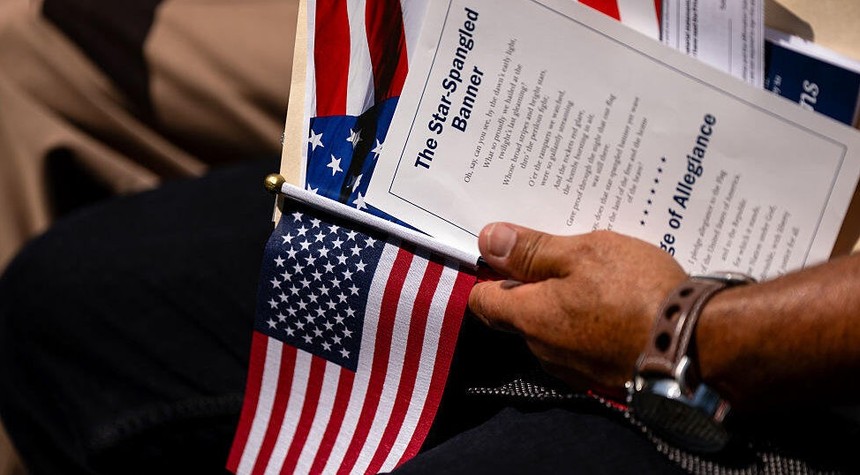
The Trump administration has put forward a proposal that would significantly increase the cost of applying for United States citizenship while removing financial assistance options for immigrants of modest means.
Under the plan announced Monday by U.S. Citizenship and Immigration Services, the fee for citizenship applications would increase from $760 to $1,330 for paper submissions, and from $710 to $1,280 for those filed electronically. These increases represent a near doubling of current costs. Additionally, fees to request reconsideration of a denied citizenship application would rise by $645.
The proposed regulation would eliminate fee waivers entirely for citizenship cases and would remove the fee reduction option currently available to immigrants whose household income falls at or below 400 percent of the federal poverty line. Fee exemptions for military service members pursuing citizenship would remain unchanged.
These changes are not immediate. The proposal must proceed through the federal rulemaking process, which includes a 60-day public comment period during which Americans may submit their views for or against the modifications.
The Department of Homeland Security, which oversees USCIS, has justified the fee increases as necessary to fully fund the processing of citizenship applications. This need has grown more pressing, the department states, given the administration’s commitment to more thorough vetting of applicants.
Unlike most federal agencies that receive congressional appropriations, USCIS operates primarily on a fee-funded basis. The fees it collects from applicants support its operations.
The proposal represents a deliberate departure from previous policy approaches. The Department of Homeland Security acknowledged that prior administrations maintained relatively modest citizenship application fees compared to other immigration benefits as a means to promote citizenship and integration.
“Although DHS has historically limited the fees for citizenship-related applications to fulfill previous administrations’ priorities of encouraging naturalization, DHS no longer believes naturalization benefit requests should get lower fees at the potential expense of other immigration benefits,” the agency stated in its proposed regulation.
This policy shift has drawn criticism from former officials. Doug Rand, who served as a senior USCIS official during the Biden administration, questioned the reasoning behind isolating citizenship fees for such substantial increases. He suggested the move appears designed to create additional obstacles for legal immigrants seeking to complete the naturalization process.
The United States has traditionally encouraged legal immigrants to pursue citizenship through naturalization. Those eligible for citizenship are typically legal permanent residents who have maintained green card status for three to five years, depending on their individual circumstances.
Citizenship applicants must demonstrate proficiency in English, pass a civics examination, and meet other requirements including maintaining a clean criminal record. The process represents the final step in an immigrant’s journey from foreign national to full American citizen with voting rights and other privileges of citizenship.
The second Trump administration has undertaken a broad effort to restrict and tighten access to legal immigration benefits. This includes adding additional layers to the vetting process across various categories of immigration applications. For citizenship applications specifically, the administration has indicated its intention to more rigorously examine all eligibility requirements.
The public comment period will provide an opportunity for interested parties to weigh in on whether these fee increases and the elimination of financial assistance serve the national interest or whether they create undue hardship for legal immigrants seeking to complete their path to American citizenship.
Related: Mixed Martial Arts Fighter Assists Law Enforcement in Exposing Suspected Child Predator
