
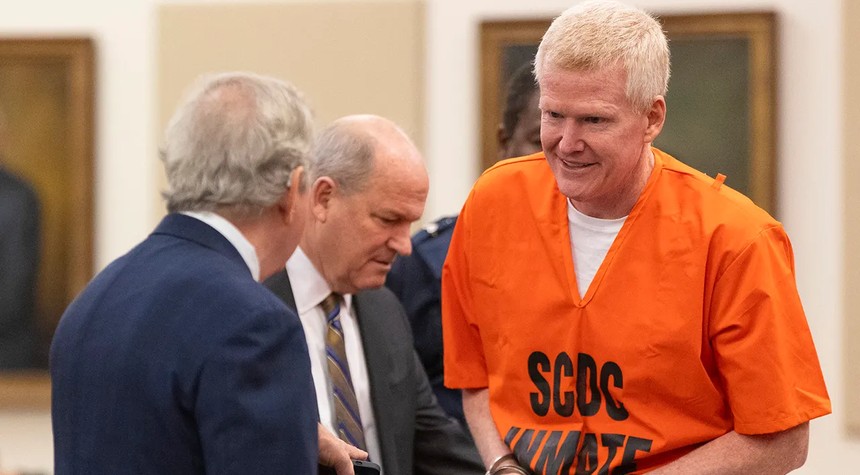
The legal battle surrounding Alex Murdaugh’s upcoming retrial has begun in earnest, with both prosecution and defense teams staking out sharply different positions on how the case should proceed.
Dick Harpootlian, Murdaugh’s lead defense attorney, has outlined an aggressive pretrial strategy that includes seeking a change of venue, implementing stricter jury screening procedures, and potentially requesting sequestration of jurors. These measures, Harpootlian indicated, would be necessary to ensure his client receives a fair trial following the intense publicity surrounding the original proceedings.
Lead prosecutor Creighton Waters, who secured the initial guilty verdicts, has signaled his intention to vigorously contest any defense motions that might complicate jury selection or alter the trial’s location. Waters remains confident in the strength of the state’s case against the disgraced attorney.
The South Carolina Supreme Court unanimously reversed Murdaugh’s convictions in the killings of his wife, Maggie, and son, Paul, after determining that Colleton County Clerk of Court Rebecca Hill improperly influenced jurors during the six-week trial. This ruling has set the stage for what promises to be another lengthy and contentious legal proceeding.
Harpootlian has suggested that new evidence may emerge during the retrial, though he declined to provide specific details about what that evidence might entail. This development adds another layer of complexity to a case that has already captivated national attention and divided opinion across South Carolina.
The defense attorney’s push for a venue change reflects concerns about whether Murdaugh can receive an impartial hearing in the state where his family wielded considerable legal and political influence for generations. The Murdaugh name had been synonymous with law and order in the Lowcountry region for nearly a century before Alex Murdaugh’s spectacular fall from grace.
Waters faces the challenge of assembling a new jury pool capable of setting aside preconceived notions about a case that has dominated headlines and spawned numerous documentaries and podcasts. The prosecutor must balance the public’s right to a transparent trial against the practical difficulties of finding jurors untainted by extensive pretrial publicity.
The Supreme Court’s decision to overturn the original convictions centered on Hill’s conduct during the trial. The court found that her interactions with jurors compromised the integrity of the proceedings, a determination that both sides now must address as they prepare their strategies.
Both legal teams acknowledge that the retrial will likely prove as demanding and exhaustive as the original proceeding. The case involves complex forensic evidence, extensive financial records documenting Murdaugh’s alleged crimes, and testimony from dozens of witnesses.
As preparations continue, the people of South Carolina await answers to questions that have haunted the state since the June 2021 murders. The upcoming trial will test whether justice can be served in a case where the defendant’s family legacy, alleged criminal enterprise, and the brutal deaths of his wife and son have become inseparably intertwined in the public consciousness.
The court has not yet set a date for the retrial.
Related: Wife Learns Husband’s True Identity Through Investigator’s Phone Call
