
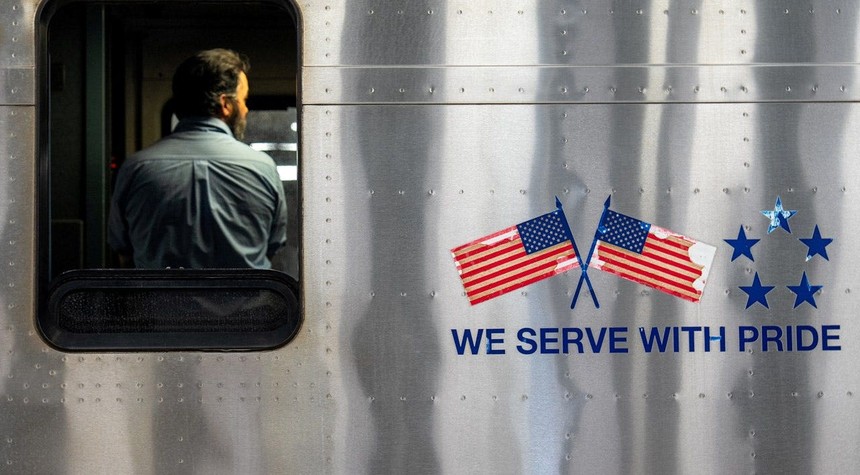
The Long Island Rail Road suspended all service early Saturday morning as approximately 3,700 workers walked off the job in a labor dispute that has stranded more than 330,000 daily commuters.
Five unions representing ticket clerks, locomotive engineers, signalmen, electricians, and machinists initiated the strike at 12:01 a.m., marking only the fourth work stoppage in the history of the nation’s largest commuter rail line. The LIRR, which serves as a critical transportation artery for workers traveling between Long Island and New York City, confirmed that service remains suspended until further notice.
The railroad issued a statement advising passengers to avoid nonessential travel and work from home if possible. “We will have limited shuttle bus service on weekdays for essential workers and those who cannot telecommute,” the LIRR announced.
The strike affects one of the most heavily utilized public transportation systems in the United States. The LIRR typically carries hundreds of thousands of passengers daily across its extensive network of routes connecting Long Island communities to Manhattan’s Penn Station and other major hubs.
The work stoppage presents significant challenges for the regional economy, as countless workers depend on the rail line for their daily commutes. Businesses throughout the New York metropolitan area face potential disruptions as employees struggle to find alternative transportation methods.
The limited shuttle bus service announced by the LIRR will likely prove insufficient for the vast majority of affected commuters. Transportation officials have not indicated when normal service might resume, leaving passengers and employers alike uncertain about the duration of the disruption.
This strike represents a rare occurrence for the LIRR. With only three previous strikes in its history, such labor actions have been infrequent despite the railroad’s long operational record. The last major work stoppage occurred decades ago, making this current situation particularly noteworthy for both labor relations and public transportation in the region.
The timing of the strike adds to its impact, as it began during the overnight hours on a weekend, providing minimal advance warning for those who might need to make alternative arrangements for Monday morning commutes.
As negotiations between union representatives and railroad management continue, commuters face an uncertain period ahead. The resolution of this labor dispute will require both sides to reach an agreement on the outstanding issues that prompted the unions to authorize the strike action.
The situation underscores the critical importance of labor relations in maintaining essential public services and the far-reaching consequences when such systems experience disruptions.
Related: South Carolina Prepares for Second Murdaugh Trial After Supreme Court Reversal
