
Mission Viejo, California—In what represents a significant advancement in municipal animal control operations, authorities in Orange County have successfully integrated drone technology to locate and rescue lost pets, transforming what were once lengthy searches into operations completed in mere minutes.
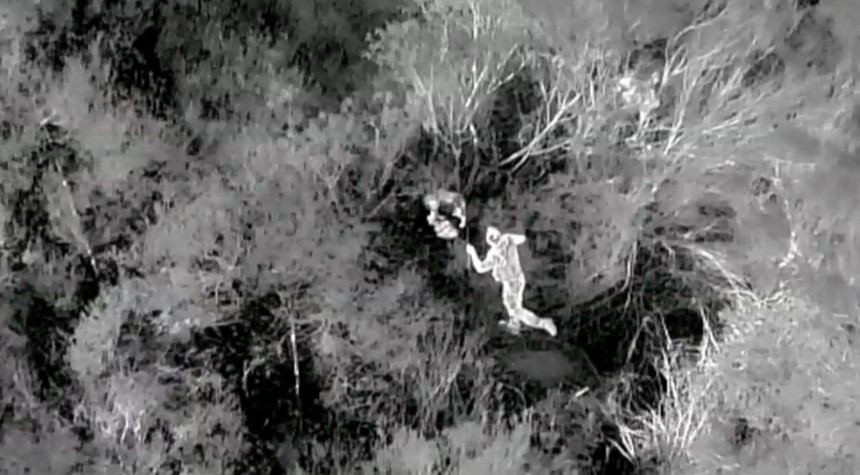
The technology came into sharp focus recently when animal control officers deployed a drone equipped with thermal imaging and laser detection systems to locate a small terrier wandering in the carpool lane of a Southern California freeway. The aerial unit pinpointed the animal’s location and coordinated with ground teams to execute a swift rescue.
Kyle Werner, an animal control officer for the city of Mission Viejo, explained the dramatic shift in operational capability. Lost pet searches that previously required days or even weeks of effort now conclude in a fraction of that time. The department has moved from what Werner characterized as a passive approach—simply waiting for developments—to an active search methodology enabled by overhead surveillance.
The drone’s thermal imaging capability allows officers to detect animal heat signatures across expansive terrain, a feature that proved essential in the recent search for a dog named Lana. JR Stewart, a senior animal control officer with Mission Viejo Animal Services, described navigating through brush that extended above his head, conditions in which visual detection would have been impossible. The drone identified the animal’s location and directed Stewart through the dense vegetation to complete the rescue.
In another operation last year, officers utilized the drone to track a nervous dog named Josie. The aerial unit provided precise location data to the animal’s owner, enabling a reunion that officers described as notably emotional. Werner recounted that the owner remained calm and stationary, allowing the apprehensive animal to approach on its own terms.
The equipment represents a substantial investment, with the drone system costing nearly seventeen thousand dollars. However, the expenditure was entirely funded through private donations, eliminating any burden on municipal budgets. Werner reports that other agencies have already begun inquiring about the technology following Mission Viejo’s successful deployment.
When asked to assess whether the investment justified its cost, Werner offered an unequivocal affirmation. He emphasized that the service reunites families with their pets, a benefit he considers invaluable regardless of financial considerations.
The Mission Viejo deployment represents a broader trend in law enforcement and municipal services toward technological solutions for traditional challenges. What distinguishes this application is its humanitarian focus and measurable results in reducing both the duration of animal distress and the resources required for successful recoveries.
As other jurisdictions evaluate similar programs, the Mission Viejo experience provides a compelling case study in the practical application of advanced technology to improve public services while addressing genuine community needs.
Related: Trump Plans Pentagon Visit for 25th Anniversary of September 11 Attacks
