
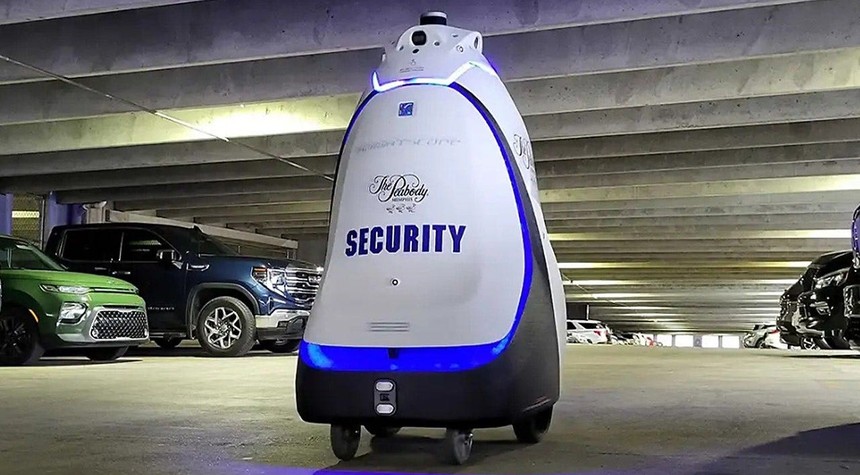
A municipal experiment in robotic law enforcement has concluded without measurable success, raising fundamental questions about the deployment of artificial intelligence in public safety operations.
The Dublin Police Department in Ohio has discontinued its trial program involving an autonomous security robot after the machine failed to contribute to a single arrest, citation, or criminal investigation during its operational period. The device, designated as DubBot, patrolled the Rock Cress Parking Garage beginning in July of last year before being returned to its manufacturer less than twelve months later.
City officials had authorized the deployment with specific objectives in mind. The robot was intended to serve as a deterrent to criminal activity, provide support during emergency situations, and offer municipal authorities an additional method of surveillance in a heavily trafficked public facility. Despite these stated goals, the machine’s tenure produced no tangible law enforcement outcomes.
The Dublin case represents more than a local disappointment. It illuminates a broader debate confronting communities across the nation as they consider whether to integrate artificial intelligence and robotics into their public safety infrastructure. The central question emerging from this failed pilot program is whether municipalities should be required to demonstrate proven effectiveness before deploying such technology in operational environments.
The absence of results in Dublin stands in stark contrast to the promises often made by manufacturers of these security systems. Proponents of robotic patrol technology have long argued that these machines can provide continuous surveillance capabilities, reduce personnel costs, and free human officers for more complex duties requiring judgment and interpersonal skills.
However, the Dublin experience suggests that the transition from concept to practical application remains problematic. The robot’s inability to contribute to even a single enforcement action during its extended trial period indicates either fundamental limitations in the technology itself or significant challenges in integrating such systems into existing law enforcement frameworks.
This development arrives at a moment when other major cities are expanding their use of artificial intelligence in public safety operations. New York City has recently announced plans to deploy AI monitoring systems in its subway network in response to rising crime concerns. The contrast between these expanding initiatives and Dublin’s unsuccessful experiment underscores the uneven landscape of technological adoption in American law enforcement.
The financial implications of such failed experiments also merit consideration. While specific costs for the Dublin program have not been disclosed, municipalities investing in unproven technologies face the prospect of expending taxpayer resources without corresponding public safety benefits.
The question of accountability looms large. Should local governments be permitted to deploy experimental law enforcement technologies without first establishing evidentiary standards for their effectiveness? The Dublin case suggests that a more rigorous framework for evaluation may be necessary before communities commit public resources and trust to automated systems.
As artificial intelligence continues its rapid advancement, American cities will face increasing pressure to adopt these technologies. The lesson from Dublin is clear. Good intentions and technological sophistication do not guarantee practical results. Before placing robots on patrol, communities would be well served to demand concrete evidence that these machines can deliver on their promises.
That is the way it is.
Related: Prosecutor Held in Contempt in Charlie Kirk Murder Case
