
A Utah prosecutor has been held in civil contempt for making public statements about evidence in the murder case against Tyler Robinson, the man accused of killing conservative activist Charlie Kirk.
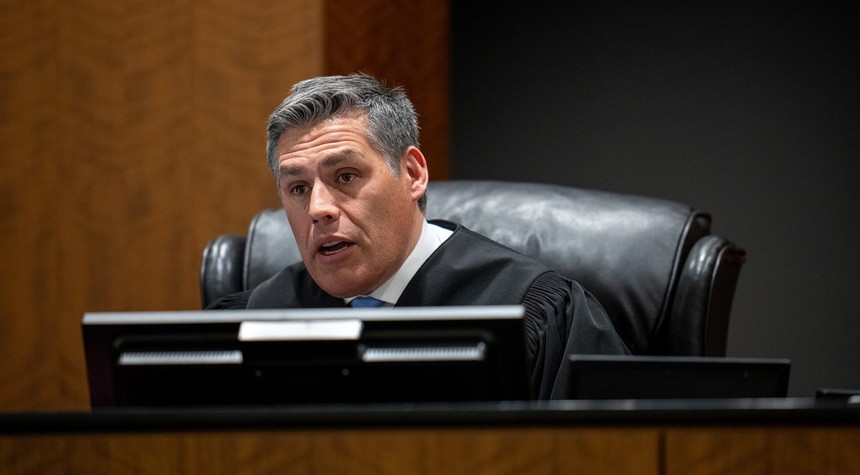
Judge Tony Graf Jr. issued the contempt ruling during a virtual hearing on Friday, determining that the prosecutor had overstepped appropriate bounds by discussing with media outlets a bullet fragment recovered from Kirk’s body. The ruling marks a significant development in a case that has drawn national attention since Kirk’s death.
Robinson’s defense attorneys had requested that Judge Graf remove the death penalty as an option in the case, arguing that the prosecutor’s public comments could prejudice potential jurors before trial. Graf denied that request, allowing prosecutors to continue seeking capital punishment.
The defense team has accused prosecutors, including Deputy Utah County Attorney Christopher Ballard, of conducting what they characterized as a “media tour” regarding the case. During a hearing in May, Ballard defended his actions, stating he had not discussed specific case details with reporters. According to Ballard, his comments were limited to general observations about the sometimes inconclusive nature of ballistics testing.
Despite finding the prosecutor in contempt, Judge Graf has taken steps to address concerns about jury impartiality. The court will implement additional jury questionnaires, and Graf indicated the jury pool may be expanded to ensure a fair trial can proceed.
Robinson faces a charge of aggravated murder and has not yet entered a plea. His preliminary hearing is scheduled to begin on July 6. That proceeding will determine whether sufficient evidence exists to bring Robinson to trial on the murder charge.
Earlier this week, Graf ruled on another pretrial matter, determining that a former roommate of Robinson will not be required to testify in person during the preliminary hearing. The hearing itself will be open to public attendance.
The case continues to draw scrutiny as it moves through the judicial system. Kirk, a prominent conservative voice, had built a substantial following through his political activism and commentary. His death sent shockwaves through conservative circles nationwide.
The contempt finding against the prosecutor underscores the delicate balance courts must maintain between public interest in high-profile cases and the defendant’s right to a fair trial. While prosecutors have a duty to keep the public informed, they must avoid statements that could compromise the integrity of jury selection and trial proceedings.
As the July preliminary hearing approaches, both the prosecution and defense will continue preparing their cases. The outcome of that hearing will determine whether the case proceeds to a full trial, where a jury would ultimately decide Robinson’s fate.
The court has not yet announced specific remedies or sanctions resulting from the contempt finding. Such measures typically aim to prevent further prejudicial statements while preserving the defendant’s constitutional rights.
Related: Utah Governor Bans Fireworks Statewide Ahead of Fourth of July Weekend
