
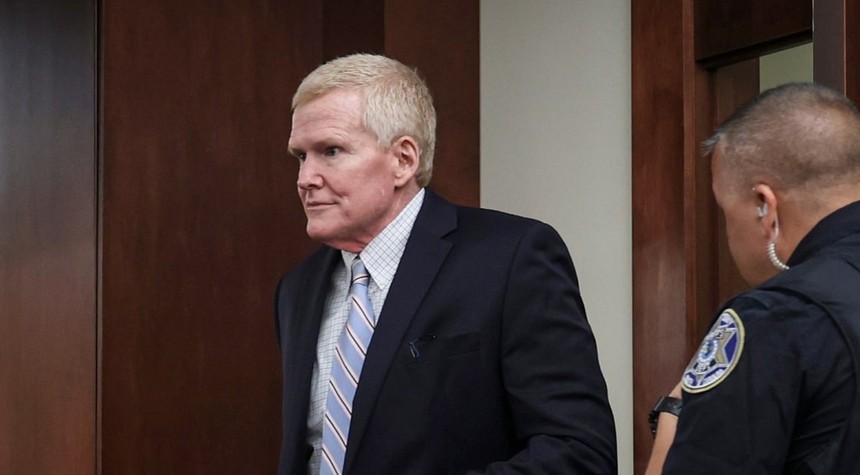
A South Carolina judge has made two significant rulings that will shape the upcoming retrial of Alex Murdaugh on double murder charges, decisions that underscore both the complexities of the legal process and the extraordinary public attention this case has commanded.
Circuit Court Judge Debra McCaslin ruled Friday that testimony Murdaugh provided during his first murder trial will be admissible in the retrial. The judge’s reasoning was straightforward and rooted in legal precedent.
“When you testify in a case, there are consequences,” Judge McCaslin stated during a status hearing. “I’m going to allow it in, subject to what is being testified to in the trial.”
This ruling carries substantial weight. When a defendant chooses to take the witness stand, that testimony becomes part of the court record and can be used in subsequent proceedings. Murdaugh’s decision to testify in his initial trial now means prosecutors will have access to his sworn statements as they build their case once more.
The judge also granted the defense’s motion to relocate the trial out of Colleton County, a decision that speaks to the unprecedented media coverage and public interest surrounding this case.
Defense attorney Dick Harpootlian argued forcefully that the county had become unsuitable for a fair trial. He noted that potential jurors have been approached on the street for interviews about the case, describing the county as “poison” for his client’s prospects. Harpootlian went further, characterizing the courthouse itself as “the scene of the crime,” given the extensive pretrial publicity that has saturated the community.
Prosecutor Creighton Waters pushed back against the venue change, arguing that the central question was not about pretrial publicity itself, but rather whether potential jurors could “honor their oath to be fair and impartial.” His position reflected the prosecution’s confidence that an impartial jury could still be seated despite the case’s notoriety.
Judge McCaslin sided with the defense on this matter, stating clearly that she does not believe “the defendant can get a fair and impartial trial” in Colleton County. Her decision acknowledges the practical reality that some cases generate such intense local interest that finding twelve impartial jurors becomes effectively impossible.
The Murdaugh case has captivated national attention, involving allegations of murder within a prominent South Carolina legal family. The retrial stems from legal challenges to the original conviction, and these preliminary rulings suggest the second trial will be no less complex than the first.
Both rulings demonstrate the careful balance judges must strike between protecting a defendant’s constitutional right to a fair trial and ensuring that the judicial process moves forward efficiently. Judge McCaslin’s decisions reflect a measured approach to these competing concerns, allowing the prosecution to use Murdaugh’s own words while simultaneously addressing legitimate concerns about the jury pool’s impartiality.
As this case moves toward retrial in a new venue, these rulings will significantly influence how both sides prepare their strategies and present their arguments to a fresh jury.
Related: American Missionary Kevin Rideout Freed After Four Months Captivity in Niger
