
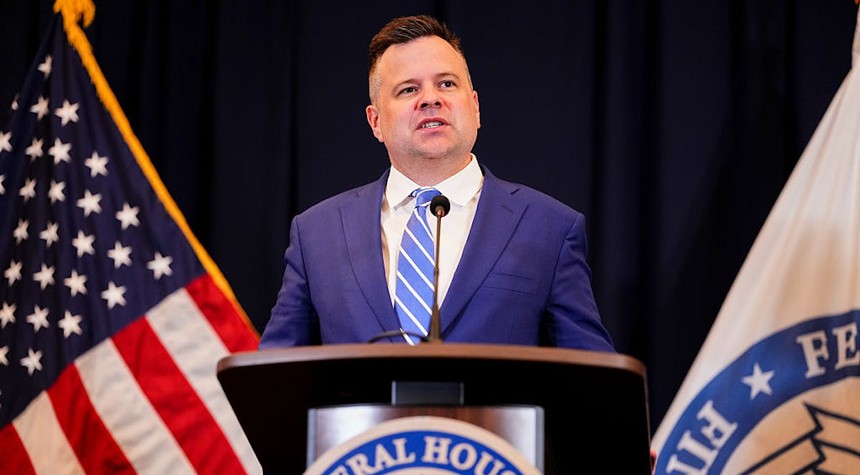
The Office of the Director of National Intelligence is undergoing significant restructuring under its new director, Bill Pulte, who has removed more than 50 officials from their positions since assuming the role. The changes come as part of a presidential directive to downsize the office, though the scope and speed of these personnel actions have generated considerable debate within the intelligence community.
According to administration officials, 45 of the removed individuals were returned to their original intelligence agencies, while six career officials were terminated. President Trump’s mandate to Pulte focused on what the president termed “the immediate and needed downsizing of the office,” though the directive did not explicitly call for dismissals but rather for reassignments to home agencies.
The restructuring effort has revealed a fundamental disagreement about the proper role of the Director of National Intelligence. Pulte is working in coordination with CIA Director John Ratcliffe and Senator Tom Cotton of Arkansas, who share the view that the DNI’s oversight function has become an impediment to the operational effectiveness of individual intelligence agencies. A Senate source familiar with the matter confirmed that Pulte maintains close working relationships with both Cotton and Ratcliffe, as well as with the Senate Select Committee on Intelligence.
Those who support the downsizing argue that streamlining the office will improve efficiency and reduce bureaucratic obstacles. CIA spokeswoman Liz Lyons stated that Director Ratcliffe “continues to support acting DNI Pulte’s mission to advance the President’s priorities.”
However, critics of the restructuring maintain that reducing the DNI’s oversight capabilities undermines the very reforms these officials claim to support. These opponents contend that weakening central oversight only enables the entrenched bureaucracy that the administration seeks to reform, rather than eliminating it.
The appointment of Pulte to this position generated substantial opposition from both Democratic lawmakers and some Republicans when it was announced. Critics pointed to his lack of intelligence experience and expressed concern that he would function primarily as an enforcer of presidential prerogatives rather than as an independent intelligence leader. Senate Majority Leader John Thune articulated this concern in early June, stating plainly that “we don’t need a weaponized DNI.”
Additional controversy arose from Pulte’s handling of the transition from outgoing Director Tulsi Gabbard. According to senior intelligence officials, Gabbard had arranged with President Trump to remain in her position until the end of June, a timeline agreed upon in consideration of her husband’s cancer diagnosis. However, Pulte pressed aggressively for Gabbard’s early departure, a move that drew criticism from her supporters who viewed it as disrespectful given the personal circumstances involved.
Among those affected by the personnel changes was Will Ruger, the deputy director of national intelligence for mission integration, who was placed on administrative leave. Ruger had been responsible for leading the intelligence community’s collaborative integration efforts and overseeing intelligence support to policymakers, including the President’s Daily Brief and the National Intelligence Council.
A Senate source disputed media characterizations of the personnel actions as disorganized or contradictory, insisting that “his cuts have been deliberate.” This source also contradicted reports of senatorial dissatisfaction with Pulte, stating that senators working with him have been pleased with the collaboration.
The Office of the Director of National Intelligence did not respond to requests for comment regarding the ongoing restructuring efforts.
Related: Epstein Assistant Testifies on Travel Arrangements for Hundreds of Women
