
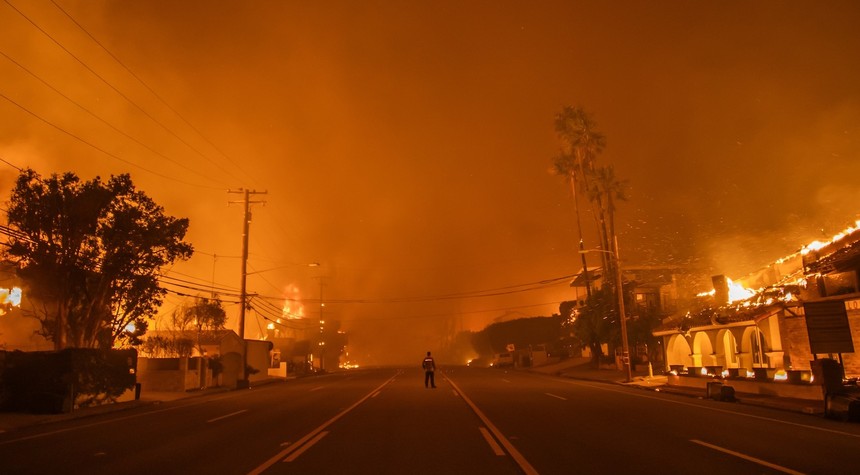
A federal judge declared a mistrial Friday in the prosecution of Jonathan Rinderknecht, the man accused of igniting the fire that grew into last year’s catastrophic Palisades Fire in Los Angeles. The jury, after three days of deliberation, remained hopelessly deadlocked with ten jurors voting for acquittal and two for conviction.
Judge Anne Hwang had no choice but to dismiss the jury after they reported an impasse Thursday afternoon, noting that two jurors held unwavering positions. By Friday, it became clear that further deliberation would prove fruitless.
Rinderknecht faced three federal counts in connection with the January 1 fire: destruction of property by means of fire, arson affecting property used in interstate commerce, and timber set afire. The charges collectively carry a maximum sentence of forty-five years in federal prison. He had entered a plea of not guilty.
Prosecutors alleged that Rinderknecht acted with malicious intent, seeking what they characterized as “revenge” against society when he started the blaze. That initial fire, they contended, developed over six days into the Palisades Fire, which became one of the most destructive wildfires in Los Angeles history. The conflagration devastated the Pacific Palisades neighborhood, causing extensive property damage and loss of life.
The case presented significant challenges for both prosecution and defense. The government bore the burden of proving beyond a reasonable doubt that Rinderknecht deliberately started the fire and that this act directly led to the massive wildfire that followed. The defense apparently succeeded in creating sufficient doubt in the minds of ten jurors, though two remained convinced of the defendant’s guilt.
First Assistant United States Attorney for the Central District of California Bill Essayli announced that his office intends to retry the case. He expressed confidence in the strength of the evidence against Rinderknecht, stating that the prosecution believes the defendant is responsible for igniting the fire on New Year’s Day.
The decision to pursue a second trial reflects the gravity of the charges and the devastating impact of the Palisades Fire on the Los Angeles community. Federal prosecutors rarely abandon cases of this magnitude, particularly when they involve significant loss of life and property damage on the scale witnessed in this disaster.
A new trial date has not yet been set. The prosecution will have the opportunity to refine its case presentation, while the defense will prepare to once again challenge the government’s evidence. The ten-to-two split in the jury suggests that reasonable doubt played a significant role in the deliberations, presenting both an obstacle and a roadmap for prosecutors as they prepare for round two.
For the residents of Pacific Palisades who lost homes and loved ones in the fire, the mistrial means continued uncertainty and a delayed resolution to questions about accountability for one of their community’s darkest chapters. Justice, it appears, will require more time and another jury’s careful consideration of the facts.
Related: Senate Examines Artificial Intelligence Use in American Classrooms
