
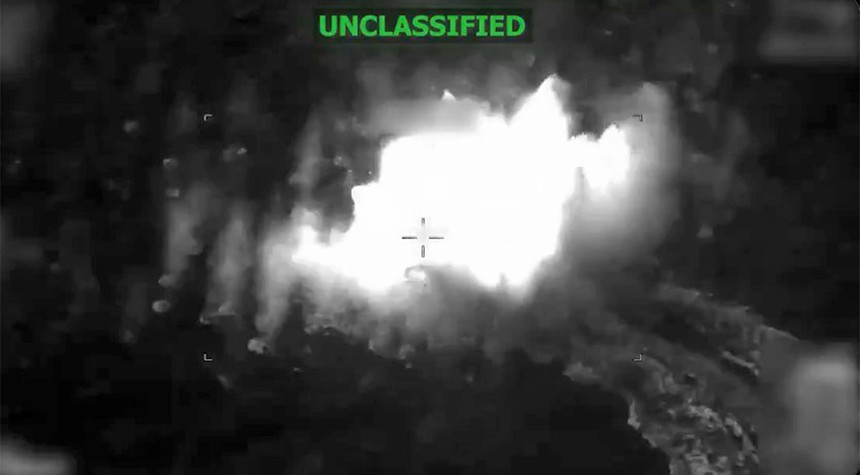
The Pentagon announced Sunday that United States forces conducted a lethal strike against a vessel in the Eastern Pacific Ocean, resulting in the deaths of three individuals aboard a craft suspected of narcotics trafficking operations.
U.S. Southern Command executed what it termed a “lethal kinetic strike on a vessel operated by Designated Terrorist Organizations” under orders from General Francis L. Donovan of the Marine Corps, who leads the Southern Command. According to the military’s statement, intelligence assessments confirmed the vessel was traveling along established narco-trafficking routes and was actively engaged in drug smuggling operations.
No American forces sustained injuries during the operation.
This marks the 55th such strike since the United States initiated its campaign against suspected drug trafficking vessels in the Caribbean and Eastern Pacific regions in early September. The cumulative death toll from these operations now stands at a minimum of 186 individuals whom the administration has identified as participants in drug smuggling activities.
The Pentagon has maintained a policy of not releasing the identities of those killed in these strikes, nor has it provided public evidence of narcotics discovered aboard the targeted vessels. This approach has generated scrutiny from members of Congress across party lines.
Last month, Defense Secretary Pete Hegseth defended the operation, stating that “Going on offense with Operation Southern Spear has restored deterrence against the narco-terrorist cartels that profited from poisoning Americans.”
The administration’s approach has drawn criticism from both Democratic lawmakers and certain Republican members of Congress. Senator Rand Paul of Kentucky has voiced particular concern regarding the strikes, questioning the legal framework for conducting lethal operations without affording those targeted due process protections. The Kentucky senator has also raised the possibility that innocent individuals may have been killed in these operations.
The debate surrounding these military actions reflects broader questions about executive authority in combating transnational criminal organizations and the balance between national security imperatives and constitutional safeguards. The administration has characterized the vessels as being operated by designated terrorist organizations, a classification that carries specific legal implications under federal law.
The Eastern Pacific corridor has long served as a primary route for drug trafficking organizations moving narcotics from South American production centers toward North American markets. The region’s vast expanse and limited enforcement presence have historically made it an attractive pathway for criminal enterprises.
As this military campaign continues, questions regarding transparency, legal authority, and operational effectiveness remain subjects of ongoing debate within Congress and among legal scholars examining the precedents being established by these actions.
The facts, as they stand, present a significant military operation with substantial loss of life and equally substantial questions about the processes governing these lethal strikes.
Related: Mississippi Students Prevent School Bus Crash After Driver Loses Consciousness
