
A virulent stomach illness has swept through the Madrid Open, forcing several elite tennis players to withdraw from competition and testing the resolve of those who chose to continue playing despite their symptoms.
World number four Iga Swiatek became the most prominent casualty of the outbreak when she retired during the third set of her round of 32 match against Ann Li. The Polish star had demonstrated resilience by taking the second set 6-2, but ultimately could not continue as the illness took its toll on her physical condition.
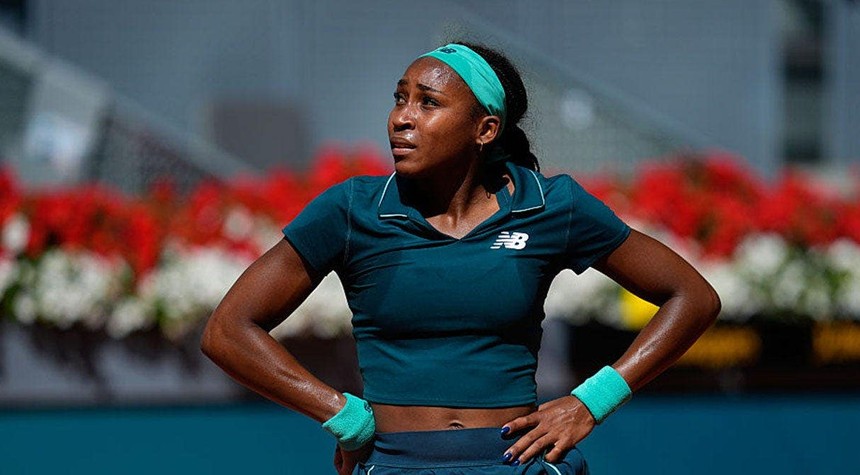
American tennis star Coco Gauff managed to persevere through her own bout with the virus, securing a hard-fought three-set victory in her round of 32 match. The young champion’s determination to compete while battling the illness underscores both the competitive nature of professional tennis and the difficult decisions athletes must make regarding their health and tournament commitments.
Tournament officials and medical staff are monitoring what appears to be a rapidly spreading stomach virus affecting multiple participants in the Spanish capital. The nature and severity of the illness has prompted several players to make the difficult choice to withdraw rather than risk further health complications or substandard performance that could affect their rankings and tournament standing.
The outbreak raises questions about the demanding schedule professional tennis players maintain throughout the season. The Madrid Open represents a crucial stop on the clay court circuit, serving as preparation for the French Open. Players face the difficult calculus of whether to push through illness and maintain their competitive rhythm or withdraw to protect their health and avoid potentially spreading the virus to other competitors.
Medical experts within the tennis community have not yet identified the specific pathogen responsible for the outbreak, though the rapid transmission among players suggests a highly contagious agent. Tournament protocols typically include hygiene measures and medical screening, but the close quarters of locker rooms and training facilities can facilitate the spread of such illnesses.
The situation in Madrid serves as a reminder of the physical demands placed upon professional athletes who travel the globe competing in successive tournaments. Beyond the obvious athletic challenges, players must navigate varying climates, time zones, and exposure to different environments that can compromise their immune systems.
As the tournament progresses, officials will continue monitoring the health situation while players who remain in competition must balance their professional obligations with prudent health decisions. The coming days will reveal whether additional withdrawals occur or if the outbreak has been contained.
For Gauff and others who chose to compete despite their symptoms, the Madrid Open represents both a test of physical endurance and competitive spirit in circumstances far from ideal.
Related: Severe Weather System Threatens 27 Million Americans Across Central United States
