
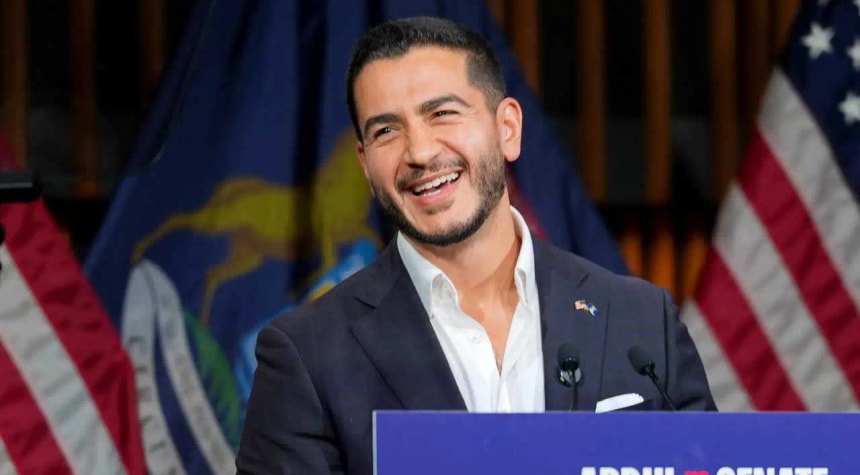
In Ann Arbor, Michigan, students at the University of Michigan have responded with enthusiasm to the Senate election victory of Abdul El-Sayed over Republican challenger Mike Rogers. The outcome marks a significant political shift in a state that has become increasingly pivotal in national elections.
Affaan Shaik, a freshman pre-medical student at the university, described the atmosphere on campus as one of collective excitement. Students gathered in groups to watch the election returns, and the prevailing sentiment among them was one of support for El-Sayed’s candidacy.
The election took place against a backdrop of heightened tension on college campuses across the nation. The Ann Arbor campus itself recently experienced a disturbing incident when a conservative Jewish activist named Lizzy Benichou was physically assaulted during a free-speech event. Video footage documented a female student shoving Benichou to the ground and kicking her before campus police intervened and made an arrest. The confrontation involved a heated argument over Islam and Iranian women’s rights, underscoring the contentious political climate that has enveloped many institutions of higher education.
Despite attempts by Republican opponents to characterize him as representative of far-left policies, El-Sayed succeeded in building a coalition sufficient to secure victory. His path to the general election itself was not without obstacles. The American Israel Public Affairs Committee invested approximately forty-two million dollars in efforts to defeat him during the August Democratic primary, where he faced Representative Haley Stevens.
In his victory address delivered in Detroit in the early morning hours following the election, El-Sayed did not shy away from controversy. He directly addressed AIPAC’s opposition to his candidacy and used the Arabic phrase "Alhamdulillah," meaning "Praise be to God," in his remarks. His speech also included pointed criticism of his defeated opponent, with El-Sayed telling Rogers to enjoy his retirement and declaring that Rogers had chosen hate while Michigan chose hope.
Students interviewed on campus indicated that young voters were motivated by a desire for substantive change rather than political rhetoric. One student expressed cautious optimism, hoping that tangible results would follow the election outcome rather than empty promises.
Economic concerns appear to have played a significant role in student engagement with the election. A staff member from the School for Environment and Sustainability noted that many students have expressed anxiety about their future prospects in an uncertain economic climate. The promise of progressive policies addressing cost-of-living issues resonated with students facing the prospect of entering a challenging job market.
El-Sayed’s personal connection to the university also factored into his support among students. Having earned his undergraduate degree from the University of Michigan in 2007, El-Sayed maintained ties to the campus and made appearances there during his campaign. Students described feeling a sense of connection to a candidate who shared their institutional background.
The election results suggest that Michigan’s political landscape continues to evolve, with younger voters playing an increasingly decisive role in determining electoral outcomes. Whether El-Sayed’s victory represents a broader shift in the state’s political orientation remains to be seen as he prepares to take office.
Related: Critical Aircraft Component Found Miles from Florida Jet Crash Site That Killed Nine