
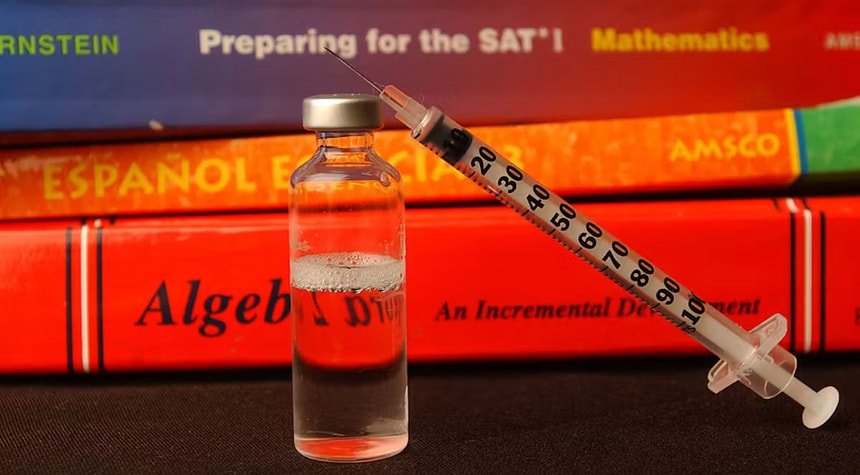
A disturbing pattern has emerged in which American teenagers are purchasing and self-administering unapproved weight loss injections from Chinese chemical suppliers, the same networks previously linked to the fentanyl crisis that has claimed hundreds of thousands of American lives.
The substance in question is retatrutide, commonly referred to as "reta" in online communities. Manufactured by Eli Lilly, this drug has demonstrated encouraging results in clinical trials. However, and this bears repeating, no regulatory authority anywhere in the world has approved it for public use. Its sale outside authorized clinical trials remains illegal under federal law.
This legal reality has not deterred black market operations from distributing products claiming to contain retatrutide through unregulated websites, social media platforms, and even some medical spas and convenience stores. Young people, influenced by the relentless pursuit of physical perfection promoted across social media platforms, are turning to these illegal substances in numbers we are only beginning to understand.
On platforms such as TikTok and various online forums, teenagers share transformation videos, exchange promotional discount codes, and provide detailed instructions on procuring and injecting these substances. To circumvent platform content restrictions, users have adopted code names including "ratatouille" and "r3ta." The scope of this activity suggests a problem far more widespread than many parents might imagine.
Particularly concerning are the conversations occurring within so-called "looksmaxxing" communities, where individuals discuss extreme measures to enhance physical appearance. Recent monitoring of these forums revealed a 13-year-old seeking advice while actively using retatrutide. Another user, claiming to be 15 years old, inquired whether the substance might interfere with his physical development, a legitimate medical concern that should be addressed by a physician, not anonymous internet users. Additional posts detail strategies for concealing refrigerated vials from parents.
Consider what this represents. American children, who should be focused on their education and normal adolescent activities, are instead consulting strangers on the internet about purchasing and injecting chemicals of unknown origin and composition.
While legitimate medications in this category have provided meaningful health benefits when properly prescribed and monitored by medical professionals, products obtained through irregular channels present serious risks. Buyers cannot verify the contents of these vials, whether contamination has occurred, or whether dosages bear any relationship to what labels claim.
The dangers to children warrant particular emphasis. Legitimate retatrutide has not been studied in minors, much less the counterfeit versions circulating through black market channels. The effects on developing bodies remain unknown. There exists no assurance that any given injection is free from bacterial contamination, heavy metals, or even fentanyl.
The Food and Drug Administration received two reports of deaths involving suspect drugs purporting to be retatrutide in October. While these reports await independent verification, they underscore the very real dangers of an unregulated market for weight loss drugs. Compounding this problem, no regulations require hospitals to report injuries from counterfeit medications, leaving the true scale of harm unclear.
The chemical supply networks now profiting from this trade are the same ones that facilitated America’s fentanyl epidemic. A recent investigation identified at least 50 Chinese companies previously documented as fentanyl precursor suppliers now selling peptides. One company indicted by the Justice Department in connection with fentanyl ingredients has reportedly advertised retatrutide for sale.
This pattern should sound familiar. We have witnessed similar crises unfold when enforcement lagged behind criminal enterprise.
Federal law already prohibits the sale of retatrutide outside authorized clinical trials, yet enforcement remains inadequate. The FDA has issued more than 20 warning letters to retatrutide sellers since 2024. As of May 2026, eight of those companies continued operations. Customs and Border Protection, operating with limited resources, has intercepted some shipments, but sellers adapt by falsifying customs documentation and employing various smuggling techniques.
The federal response must be strengthened. The FDA should escalate enforcement actions. The Justice Department should prosecute unlawful distributors, including both Chinese suppliers and domestic businesses facilitating these sales. Customs and Border Protection requires additional resources to intercept fraudulent shipments. Social media platforms must remove illegal listings and promotional content that makes these drugs readily accessible to minors.
Parents bear responsibility as well. Conversations with children about what they encounter online cannot be postponed. Learning the terminology these communities use becomes necessary. Sudden changes in appetite, secretive package deliveries, and unexplained items in refrigerators warrant attention. Young people need reinforcement that their worth extends far beyond appearance standards manufactured by social media algorithms.
The ease with which teenagers can obtain illegal, potentially dangerous drugs without medical oversight or parental knowledge represents a failure of both technology companies and federal enforcement agencies. The legal framework to address this problem exists. What remains absent is the will to employ it consistently and effectively.
That is the way it is.
Related: Fuel Costs Vary Widely in Battleground States as Midterm Elections Approach