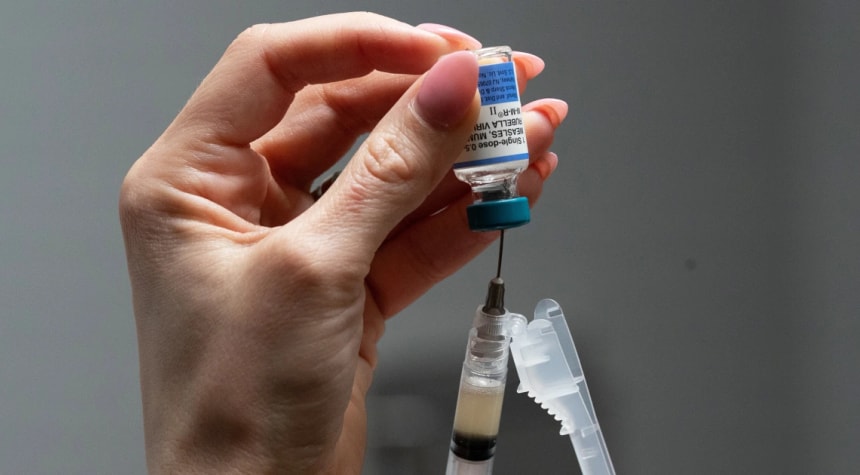
The United States has now recorded 10 measles-associated deaths in 2025, marking a troubling escalation in what has become the nation’s most severe measles outbreak in more than three decades.
Pennsylvania and Wisconsin each reported an additional fatality on Friday. Wisconsin health officials confirmed the death of a child but declined to provide further details out of respect for the family’s privacy. Pennsylvania health authorities announced that an unvaccinated resident of Montour County who had tested positive for measles had died from complications related to the virus.
Measles remains the most contagious pathogen known to medical science. In unvaccinated individuals, the virus can trigger fatal complications including pneumonia and encephalitis, a dangerous swelling of the brain. Pennsylvania has now reported seven measles-associated deaths this year, while Wisconsin has reported two and New York one. None of these states had experienced a measles death in more than 30 years prior to the current outbreak.
As of Thursday, approximately 5,400 measles cases have been documented across the country. This figure represents more than double last year’s total and stands as the highest case count since 1991. Public health authorities point to two primary factors driving the outbreak: a significant drop in measles vaccination rates and a worldwide resurgence of the disease.
The United States declared measles eliminated in 2000, a designation indicating the virus was no longer spreading continuously within the population, though isolated outbreaks could still occur through international travel. That status now hangs in the balance. The Pan American Health Organization, operating within the World Health Organization, convened this week to evaluate whether the United States can maintain its measles-free classification. Their determination is expected on Tuesday.
Central to the organization’s assessment is whether continuous transmission has occurred within American borders for a full year. Canada lost its elimination status last year after health officials determined the virus had been spreading there for at least 12 months.
The current outbreak has reached sufficient breadth to endanger infants who have not yet reached the age for their initial vaccination. At least four of this year’s deaths involved babies too young to receive the vaccine. In response, Pennsylvania and Wisconsin health departments are now recommending an early dose for infants between six and eleven months old residing in high-incidence areas.
Standard vaccination protocol calls for the first dose around a child’s first birthday and the second between ages four and six. Two doses provide 97 percent protection against infection.
Recent investigations reveal that 75 percent of counties and jurisdictions with available vaccination data have fallen below the 95 percent threshold necessary to prevent outbreaks. Kindergarten vaccination rates for measles have declined from 95 percent during the 2019-2020 school year to 92 percent during the current 2025-2026 school year.
And that is the situation as it stands tonight.
Related: Flights Halted Across America as FAA Investigates Air Traffic Control Center Outage