WASHINGTON — In a decision that underscores the delicate balance between executive authority and prosecutorial independence, a District of Columbia Superior Court judge has taken the extraordinary step of permanently barring the government from pursuing charges against a former Olympic athlete.
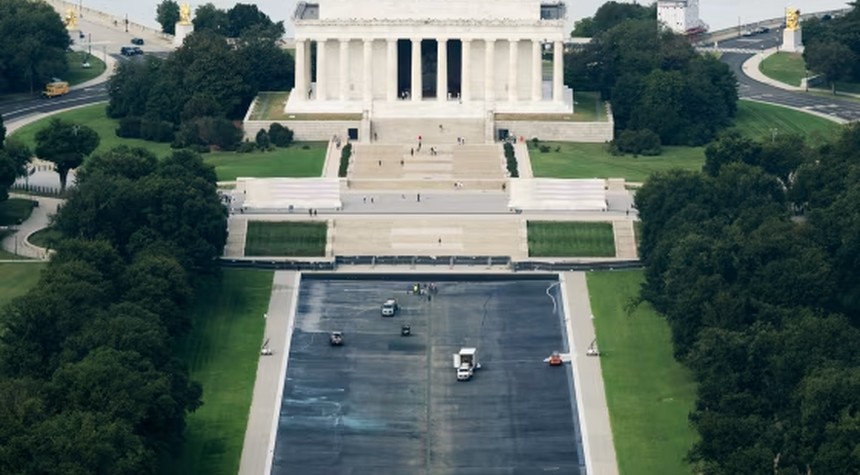
Judge Todd Edelman issued an order Thursday dismissing with prejudice the case against David “Davey” Hearn, a former Olympic canoeist who faced charges related to damage at the Lincoln Memorial Reflecting Pool. The dismissal with prejudice represents a rare judicial intervention that prevents prosecutors from bringing the case again under any circumstances.
In his written opinion, Judge Edelman characterized the circumstances surrounding the case as “exceptional” and determined that the government’s own statements made clear that any future indictment against Hearn would be “theoretical at best, and more likely, is simply fanciful.”
The core of the judge’s concern centered on what he identified as unprecedented political pressure from the highest levels of government. According to the court’s findings, President Trump had publicly criticized the United States Attorney’s office in strong terms for its decision to drop the case initially. The President had demanded the prosecution be reinstated, making specific reference to Hearn’s political activities and the identity of one of his defense attorneys.
Judge Edelman wrote that Hearn “faces the unique possibility that the government will revive this case — one that it has already announced to be meritless — based on political pressure brought by the President of the United States upon his subordinate officers.”
The case had drawn attention not only for the underlying allegations but for the political dimensions that emerged during its prosecution. President Trump had specifically mentioned Hearn’s political donations and took issue with the involvement of attorney Norman Eisen, a longtime administration critic who has participated in multiple legal challenges against the government.
U.S. Attorney Jeanine Pirro’s office had dropped the charges in late July after evidence revealed that the area in question at the Reflecting Pool had sustained damage prior to any alleged incident involving Hearn. Despite this finding, questions remained about whether the government might attempt to revive the prosecution.
The defense team, which included attorneys Mary Dohrmann, Steve Levin, and Michael Bromwich alongside Eisen, issued a statement calling the judge’s decision “a victory for the rule of law and for an innocent American seeking justice.” The attorneys argued that the charges should never have been filed and characterized the prosecution as “a miscarriage of justice” and “an outrage that should shock every American.”
The statement continued, “This administration chose to pursue an unjust prosecution against Mr. Hearn. It should not get repeated chances to wield the power of criminal prosecution against someone who should never have been prosecuted.”
During court proceedings last month, the central dispute focused on whether the case should be dismissed with or without prejudice. The government sought to maintain the option of potentially refiling charges, while Hearn’s legal team pressed for the permanent bar that Judge Edelman ultimately granted.
The judge concluded that the government “has no right to retain the ability to compound the errors it has already made, or even to threaten to do so, at Mr. Hearn’s expense.”
The U.S. Attorney’s Office for the District of Columbia declined to comment on the ruling. The decision now stands as a definitive conclusion to a case that raised significant questions about the intersection of political pressure and criminal prosecution.
Related: Colorado Driver’s Car Damaged in Aggressive Elk Encounter