
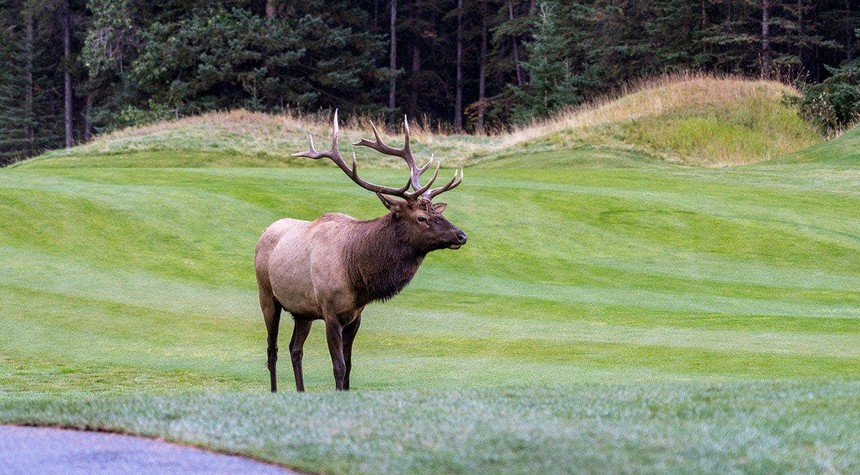
A dramatic encounter between wildlife and civilization unfolded in Estes Park, Colorado, when a bull elk shattered a vehicle’s window with considerable force. The incident, captured on video and widely circulated on social media platforms, serves as a stark reminder of the realities of living in close proximity to large wildlife populations.
The footage shows the elk approaching a parked vehicle before smashing through the rear window with the kind of force one might associate with professional athletes in full contact sports. The destruction was swift and complete, leaving the window entirely obliterated.
Estes Park, situated at the eastern entrance to Rocky Mountain National Park, has long been recognized for its substantial elk population. The town’s residents and visitors frequently encounter these animals, particularly during autumn months when the species enters its rutting season. During this period, bull elk become notably more aggressive as they compete for mating opportunities and defend their territory against perceived threats.
Wildlife experts have consistently warned that elk, despite their majestic appearance and the relative comfort they may display around human populations, remain wild animals capable of inflicting serious damage when agitated. Bull elk can weigh upwards of 700 pounds, and their combination of size, strength, and sharp antlers makes them formidable creatures, particularly during breeding season when testosterone levels peak.
The practical implications for the vehicle’s owner extend beyond the immediate damage. Filing an insurance claim for wildlife damage presents its own set of challenges, as such incidents fall into a gray area of coverage that varies significantly between insurance providers and policies. Comprehensive coverage typically addresses animal-related damages, though deductibles and specific policy language determine the extent of reimbursement.
This incident reflects a broader pattern of human-wildlife conflicts in communities situated near natural habitats. As residential and commercial development continues to expand into traditional wildlife corridors, such encounters have become increasingly common. Colorado wildlife officials regularly issue advisories during rutting season, typically spanning September through October, urging residents and tourists to maintain safe distances from elk and other large mammals.
The lesson here remains straightforward. Wild animals, regardless of how accustomed they may appear to human presence, operate on instincts honed over millennia. During mating season, those instincts override any learned tolerance for human activity. Maintaining appropriate distance and awareness becomes not merely advisable but essential for personal safety and property protection.
For residents of Estes Park and similar communities across the American West, this serves as an annual reminder that sharing space with nature’s larger inhabitants requires respect, caution, and an understanding that the wildlife was there first.
Related: Braves Take Command of Wild Card Series After Dramatic Game One Victory
