
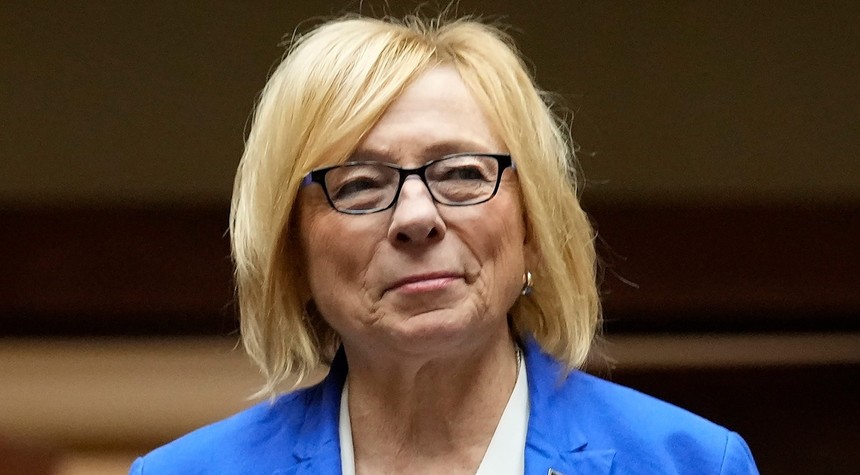
Maine Governor Janet Mills announced Thursday morning that she is suspending her campaign for the United States Senate, citing insufficient financial resources to mount a competitive race against her primary opponent. The decision effectively clears the path for Graham Platner, an oyster farmer and military veteran, to become the Democratic nominee in the contest against incumbent Republican Senator Susan Collins.
Mills, in a prepared statement, acknowledged the financial realities that have come to define modern political campaigns. She stated that while she possessed the drive, passion, commitment, and experience necessary for the race, she lacked the substantial financial resources that contemporary campaigns require. The governor characterized the decision as incredibly difficult.
Federal Election Commission filings from the first quarter of this year reveal the extent of the financial disparity between the two Democratic candidates. Platner raised approximately $1.4 million more than Mills during that period and maintained roughly $1.7 million more in cash on hand. Beyond the fundraising gap, polling data consistently showed Platner performing significantly better than Mills among likely Democratic primary voters.
The timing of Mills’ announcement carries particular significance. Her withdrawal came just one day before the Maine Democratic Convention was scheduled to begin and more than five weeks ahead of the state’s June 9 primary election. Both candidates had been scheduled to participate in their first televised debates in May, alongside a third candidate, David Costello.
The Democratic primary had become something of a proxy battle between factions of the national Democratic Party. Senator Bernie Sanders had thrown his support behind Platner, while Senator Chuck Schumer, the Senate Majority Leader, had previously endorsed Mills. This split reflected broader tensions within the party between its progressive and establishment wings.
Following Mills’ announcement, Schumer appeared to pivot quickly toward party unity. In a joint statement issued Thursday morning by the Democratic Senatorial Campaign Committee, Schumer and Senator Kirsten Gillibrand expressed their commitment to supporting Platner as the presumptive Democratic nominee. Their statement characterized Senator Collins as vulnerable, citing what they described as years of enabling abuses of power during the Trump administration.
The race for Maine’s Senate seat has drawn national attention as Democrats seek to maintain their narrow majority in the chamber. Collins, a moderate Republican who has represented Maine since 1997, has long been considered one of the more independent voices in the Senate. However, her votes on key issues during the Trump presidency, including her support for Supreme Court Justice Brett Kavanaugh’s confirmation, have made her a target for Democrats seeking to expand their Senate majority.
Platner now faces the task of consolidating Democratic support and preparing for what promises to be a closely watched and well-funded general election campaign. The outcome in Maine could prove consequential for the balance of power in Washington.
Related: Waymo and Waze Deploy Technology to Detect Potholes Before Drivers Encounter Them
