
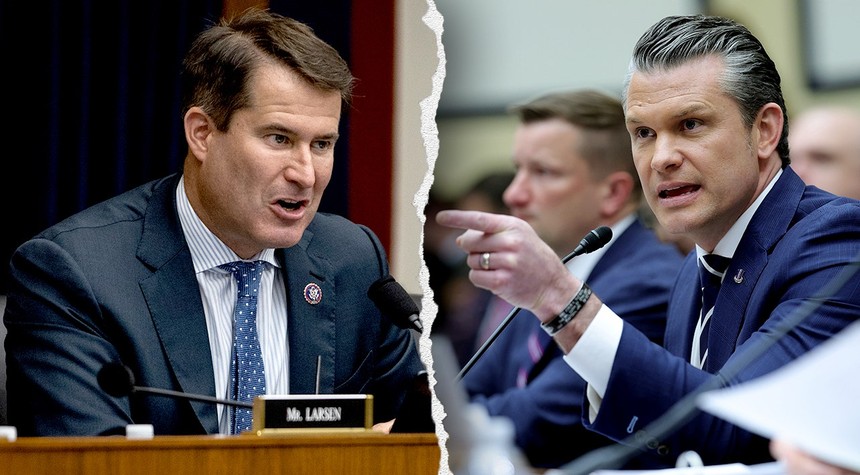
Defense Secretary Pete Hegseth faced extraordinary allegations during congressional testimony Wednesday when a Democratic lawmaker accused him of war crimes and drew comparisons to Nazi defendants from World War II tribunals.
Representative Seth Moulton of Massachusetts confronted Hegseth during his appearance before the House Armed Services Committee, focusing his questioning on recent military strikes against suspected drug trafficking vessels in the Caribbean. The congressman alleged that orders to neutralize survivors from these interdiction operations constitute violations of the Geneva Conventions.
“This is a war crime,” Moulton stated, characterizing the reported actions as “murder” of remaining survivors aboard the targeted boats. The Massachusetts representative went further in subsequent remarks, explicitly linking the Defense Secretary’s conduct to Nazi war criminals prosecuted following World War II.
Secretary Hegseth defended the operations, emphasizing that all military actions were conducted within established rules of engagement. He praised the effectiveness and professionalism of American service members carrying out these missions, rejecting the characterization of the operations as criminal conduct.
The exchange represents one of the most contentious moments in Hegseth’s tenure as Defense Secretary and underscores the deep partisan divisions over the Trump administration’s military policies. The Caribbean drug interdiction campaign has been part of a broader effort to combat narcotics trafficking in waters approaching American territory.
The invocation of Nazi war crimes represents an escalation in rhetoric that has become increasingly common in congressional oversight hearings. Such comparisons, once considered beyond the bounds of normal political discourse, have appeared with greater frequency as partisan tensions have intensified.
The Geneva Conventions, established in the aftermath of World War II, set international standards for humanitarian treatment during armed conflict. The conventions specifically address the treatment of combatants who have surrendered or been rendered incapable of fighting. Moulton’s allegations suggest he believes the rules governing armed conflict should apply to drug interdiction operations.
Hegseth’s appearance before the committee came as the administration faces a sixty-day congressional deadline regarding military operations in Iran. The Defense Secretary has been tasked with defending the administration’s broader Middle East strategy while managing oversight questions about operations in multiple theaters.
The war crimes allegations add another dimension to the political challenges facing Hegseth as he works to maintain congressional support for administration defense priorities. Whether these accusations gain traction beyond partisan rhetoric remains to be seen, though they represent the kind of serious charge that could complicate future appropriations discussions.
The Defense Department has not issued additional comment beyond Hegseth’s testimony regarding the specific allegations raised by Representative Moulton. Military legal experts would need to review the specific rules of engagement and operational details to assess the validity of any Geneva Convention claims, though such reviews typically remain classified.
This confrontation illustrates the ongoing struggle between the executive and legislative branches over military policy and the limits of congressional oversight in operational matters.
Related: Governor Mills Exits Maine Senate Race, Leaving Platner to Challenge Collins
