
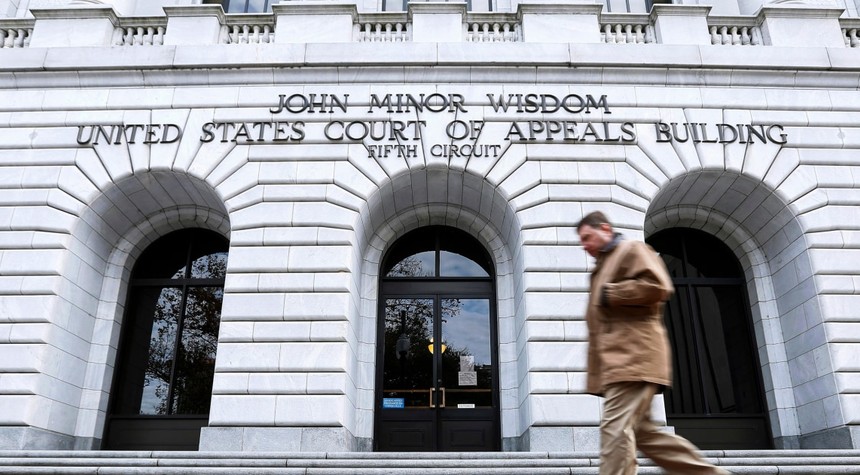
A federal appeals court has dismissed a closely watched legal challenge to the Trump administration’s deportation authority, leaving unresolved fundamental questions about presidential power in immigration enforcement.
The Fifth Circuit Court of Appeals in New Orleans ruled Thursday that it could not proceed with the case because all three plaintiffs have already been removed from the United States. The administration deported the individuals using conventional immigration authorities rather than the contested legal mechanism that sparked the lawsuit.
The case centered on the administration’s attempt to invoke the Alien Enemies Act, a statute dating to 1798 that grants the president extraordinary powers during wartime or invasion. The Trump administration sought to use this law to expedite the removal of alleged members of Tren de Aragua, a Venezuelan criminal organization that has expanded operations into American communities.
Last year, the Supreme Court intervened to block the immediate deportations, ruling that the individuals must be afforded an opportunity to challenge their removal. The case then returned to the Fifth Circuit, where a three-judge panel ruled against the administration’s position. However, the full seventeen-member court, widely regarded as the nation’s most conservative appellate bench, agreed to reconsider the matter at the administration’s request in January.
Judge Jennifer Walker Elrod, writing for the court, found no fault with the administration’s decision to proceed under alternative legal frameworks. “This development is unobjectionable,” she wrote, noting that the Supreme Court had explicitly acknowledged the government’s authority to remove the named individuals under other statutes. “And petitioners point out no infirmities in their removal.”
The court also rejected an attempt by the plaintiffs’ attorneys to substitute new individuals into the lawsuit to keep the case alive. This procedural decision effectively closes the door on what many legal observers had anticipated would become a landmark ruling on executive authority.
The practical effect of Thursday’s ruling is that the broader constitutional question remains unanswered. The Alien Enemies Act has rarely been invoked in modern times, and legal scholars have debated whether its provisions remain applicable in contemporary conflicts that do not involve traditional declarations of war between nation-states.
The administration’s invocation of the law represented an aggressive interpretation of executive power in immigration matters. Supporters argued that transnational criminal organizations operating with impunity represent a genuine threat to national security that warrants extraordinary measures. Critics contended that such an expansion of presidential authority lacked proper legal foundation and could set dangerous precedents.
By rendering the case moot through conventional deportation proceedings, the administration achieved its immediate objective while avoiding a potentially unfavorable appellate ruling. However, this tactical victory comes at the cost of legal clarity. Without definitive guidance from the courts, future administrations will face the same uncertainty about the scope and applicability of this centuries-old statute.
The likelihood of the Supreme Court addressing this question in the near term appears diminished, as there is no longer an active case requiring resolution. That means the legal landscape surrounding the Alien Enemies Act will remain unsettled until another administration attempts to invoke it or Congress acts to clarify or repeal the provision.
Related: Judge Sullivan Questions Government Compliance in Epstein Records Case
