The Trump administration finds itself defending recent reductions to federal health agencies as two infectious disease outbreaks unfold simultaneously, presenting what many observers view as a critical test of the nation’s public health preparedness.
A deadly hantavirus outbreak aboard a cruise ship and an expanding Ebola crisis in central Africa have brought renewed focus to the administration’s decision to reduce staffing and funding at key health agencies. The cuts, implemented as part of an efficiency initiative led by businessman Elon Musk through the Department of Government Efficiency, have resulted in significant personnel reductions at both the Food and Drug Administration and the Centers for Disease Control and Prevention.
The hantavirus situation involves the MV Hondius, an expedition vessel that departed Argentina on April 1 with nearly 150 people aboard for a monthlong voyage. Eleven passengers contracted the virus, with three fatalities reported thus far. The earliest cases were reported to the World Health Organization on May 2. This particular strain, known as the Andes virus, presents an uncommon challenge as it can spread person to person, unlike typical hantavirus variants transmitted solely through rodent contact.
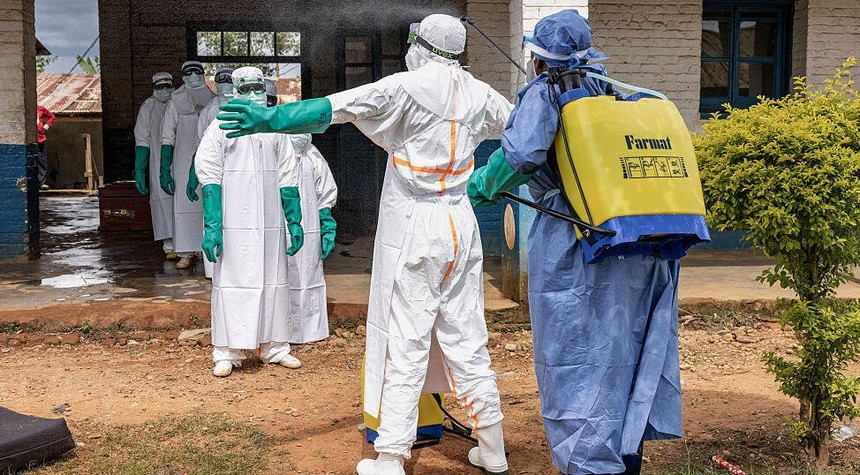
The Ebola outbreak in the Democratic Republic of Congo and Uganda has grown to more than 1,000 suspected cases. The strain, identified as Bundibugyo, poses particular concern as no proven vaccines or treatments exist for this variant. The virus spread undetected for several weeks before garnering international attention. WHO Director General Tedros Adhanom Ghebreyesus has expressed concern about the scale and speed of transmission. Seven Americans, including one physician exposed to the virus, have been evacuated to Germany by the State Department.
Federal authorities have implemented quarantine orders and are monitoring potential hantavirus exposures, while new restrictions for foreign travelers have been established in response to the Ebola situation. Administration officials maintain that the government retains the capability to mount effective responses to infectious disease threats.
However, the current circumstances present notable challenges. The CDC operates without a permanent director, as does the FDA. The position of surgeon general remains unfilled. Dr. Leana Wen, an emergency physician and former Baltimore health commissioner, noted that many leaders with outbreak response management experience have departed the federal government.
Democratic lawmakers have seized upon these outbreaks to question the wisdom of the recent cuts. Infectious disease specialists have called on the White House to reverse the reductions and rejoin the World Health Organization, which the administration previously departed.
While health officials do not consider either outbreak likely to develop into a global pandemic, the simultaneous nature of these events has intensified scrutiny of the nation’s public health infrastructure. The administration faces the task of reassuring a public still recovering from recent pandemic experiences while operating with reduced resources and personnel.
The coming weeks will likely prove consequential in determining whether the streamlined federal health apparatus can effectively manage multiple infectious disease challenges. For an administration that prioritized efficiency and cost reduction, these outbreaks represent an unexpected but significant test of that approach.
The debate over proper funding levels for public health preparedness continues in Congress, where questions of fiscal responsibility meet concerns about national security and public safety.
Related: Massive Explosion Claims Three Lives at Dallas Apartment Complex