
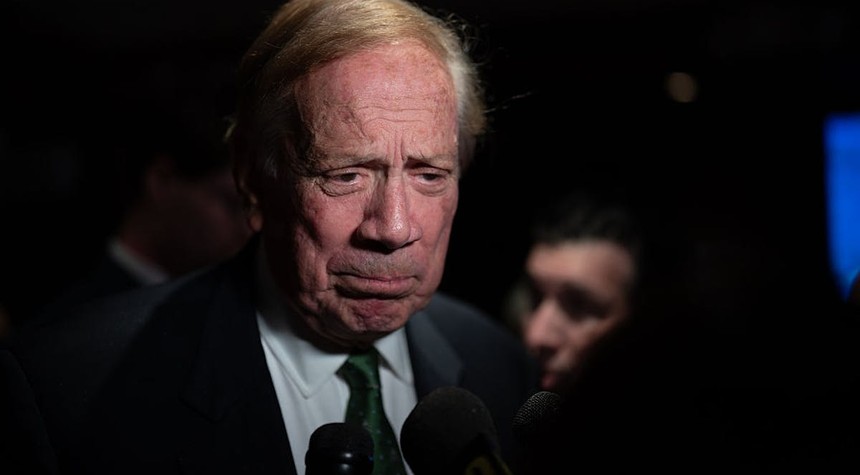
Former New York Governor George Pataki has disclosed that he suffers from a lung condition directly linked to his time at Ground Zero following the September 11th terror attacks, adding his name to a growing list of first responders and officials who continue to face health consequences more than two decades later.
The Republican governor, who led New York State from 1995 to 2006, received his diagnosis of restrictive airway disease approximately five years ago. The condition developed from prolonged exposure to toxic dust at the World Trade Center site in the weeks and months following the 2001 attacks.
In statements made just days before the nation commemorated the 25th anniversary of those attacks, Pataki maintained a measured perspective on his condition. He characterized himself as fortunate compared to many others who spent considerable time at the disaster site, some of whom have developed far more serious illnesses, including various forms of cancer.
The former governor specifically noted that many individuals who worked alongside him at Ground Zero during the extended recovery period have faced graver diagnoses. His condition, while permanent, represents what medical experts consider a relatively manageable long-term health impact from the toxic exposure that affected thousands.
Former New York City Mayor Rudy Giuliani has disclosed a similar diagnosis. When hospitalized earlier this year with pneumonia, his representatives explained that the restrictive airway disease makes even common respiratory infections significantly more dangerous for those affected.
The revelations underscore the continuing medical toll from the September 11th attacks. Health officials have documented thousands of cases of respiratory disease, cancer, and other serious conditions among those who worked at Ground Zero during the recovery and cleanup operations.
Pataki also addressed current political controversies surrounding this year’s memorial ceremonies. He joined others in questioning the appropriateness of New York City Mayor Zohran Mamdani’s participation in official 9/11 commemorations. Mamdani, who describes himself as a Democratic socialist, has faced scrutiny over past associations and statements.
The former governor specified that his concerns would be resolved if Mamdani publicly distanced himself from certain controversial figures and condemned specific rhetoric related to Middle Eastern conflicts. Pataki suggested such clarifications would make the mayor’s presence at memorial events appropriate.
However, Mamdani appears unlikely to alter his course. Following his announcement that he would attend the memorial ceremonies, the mayor participated in a signing ceremony recognizing September 11th as a Day of Remembrance. The event drew additional criticism when Mamdani presented the ceremonial signing pen to a city official who reportedly maintains connections to individuals linked to the 2001 terror attacks.
The ongoing health crisis among 9/11 responders and officials remains a significant concern for medical professionals and government agencies. Federal compensation programs continue to process claims from individuals diagnosed with conditions related to Ground Zero exposure, though many advocates argue that more comprehensive support remains necessary.
As the nation marks a quarter century since the deadliest terror attack on American soil, the lasting physical toll on those who responded continues to emerge, reminding Americans that the consequences of that September morning extend far beyond the immediate devastation.
Related: Eugenio Suarez Hits Three-Run Homer in First Game as American Citizen
