
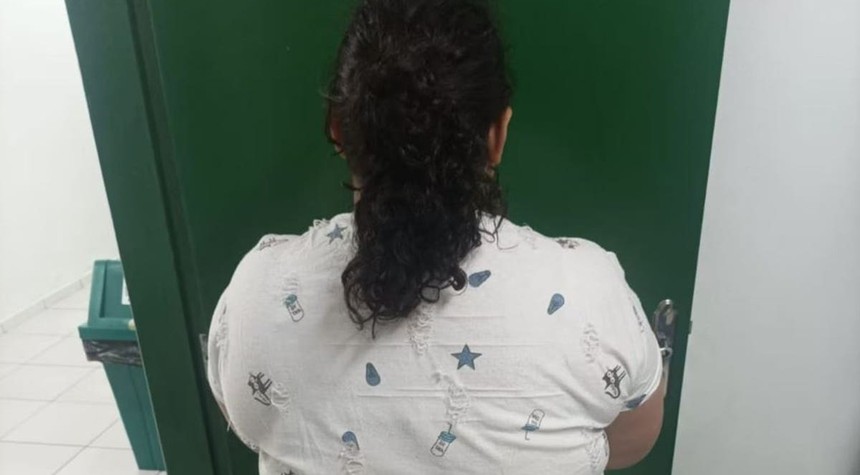
A Brazilian court has convicted a 37-year-old woman who spent more than a decade masquerading as a child, including 14 months living with an unsuspecting foster family.
Amanda Maria Souza de Oliveira was found guilty Thursday of fraud and false identity by the Court of Justice of Santa Catarina in Brazil. The sentence includes one year, six months and 10 days in prison, along with four months and 18 days of detention.
According to court documents, Oliveira maintained this elaborate deception for 15 years, employing a high-pitched, childlike voice and fabricating stories about forced hormone treatments that allegedly made her appear older than her claimed age. She approached the foster family claiming to have fled abuse, a narrative that secured her placement in their home as their daughter for more than a year.
The case raises significant questions about institutional safeguards designed to protect vulnerable children. How a woman in her late twenties and early thirties successfully convinced multiple parties over 15 years that she was a minor speaks to troubling gaps in verification procedures.
Oliveira’s defense attorney, Lúcio Sousa, argued that his client’s actions were driven by desperation rather than criminal intent. He maintained that Oliveira had been homeless for more than 20 years and characterized her as a vulnerable person who saw no other path forward.
“She admits that she invented an identity,” Sousa stated before the verdict. “It was the way she found to survive. But she has been a vulnerable person for more than 20 years. She has lived on the streets, and there has been no allegation that she obtained any financial advantage, or committed robbery or theft.”
Oliveira herself acknowledged the deception in statements to police. “Of course, I deceived people, I lied,” she said. “But I didn’t intend to scam anyone.”
She explained her actions as stemming from childhood deprivation. “There was a certain void in me, a need to have that kind of care, so I always sought it out,” Oliveira told authorities. She expressed a desire to experience the parental love and attention she claimed never to have received as an actual child.
While the absence of financial motive may complicate the moral calculus of this case, the legal reality remains clear. The foster family who opened their home believed they were caring for an abused child in need of protection. That trust was violated, regardless of the perpetrator’s psychological motivations.
The case also highlights broader concerns about the integrity of child welfare systems. If someone can successfully pose as a minor for 15 years across multiple encounters with authorities and social services, what does that reveal about the rigor of age verification protocols?
As Oliveira begins her sentence, this unusual case serves as a reminder that the systems designed to protect society’s most vulnerable members require constant vigilance and improvement.
Related: Women Report Being Secretly Filmed by Men Using Meta’s AI Smart Glasses
