
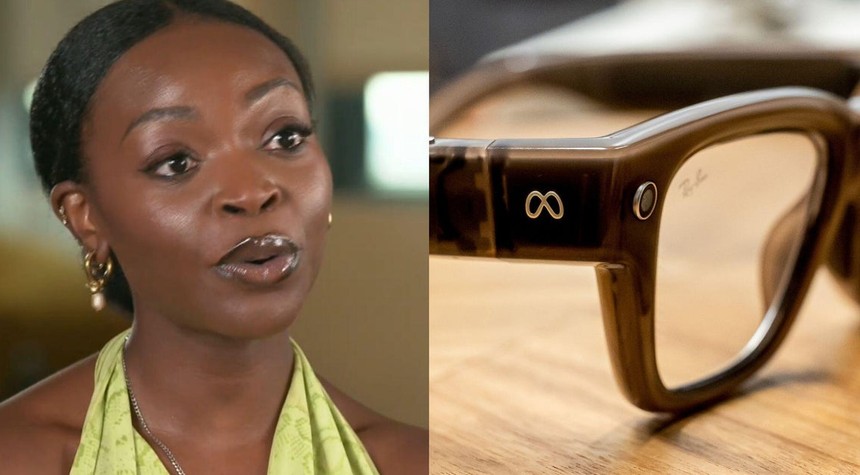
A troubling development in wearable technology has emerged as women across the country report being secretly filmed by individuals using Meta’s artificial intelligence-powered smart glasses, often appearing in videos that subsequently garner hundreds of thousands of views online.
Toluwa Omitowoju discovered she had been covertly recorded when friends and acquaintances she had not spoken with in years began sending her a video posted on social media platforms. The video, which accumulated more than 200,000 views across various platforms before being removed, featured her as an unwitting participant in what has become a disturbing trend among content creators using so-called pickup line videos.
“I had no say,” Omitowoju stated. She had no knowledge she was being filmed, nor was her consent requested before the video’s publication. The situation, she notes, has affected numerous other women who have shared their experiences with her. In some cases, victims do not even know who recorded them, as the content appears on anonymous accounts.
The issue has prompted response from Meta’s leadership. Adam Mosseri, who heads the company’s Instagram platform, announced in July that the company would take action against such content. The platform intends to remove videos that harass individuals or violate their privacy, particularly the pickup line videos that have proliferated in recent months.
This controversy represents the latest in a series of privacy concerns surrounding Meta’s technology. In May, Texas Attorney General Ken Paxton launched an investigation into the Ray-Ban Meta glasses, asserting that the devices could facilitate violations of personal privacy through their integrated cameras and speakers, potentially enabling covert filming in sensitive locations.
Meta has maintained that privacy protection remains central to its product development. The company points to built-in safety features, including an LED light that activates when the glasses are recording and software designed to prevent recording if the light is covered or disabled.
However, independent testing has raised questions about the effectiveness of these safeguards. When the LED light was covered after recording had already commenced, the disabling mechanism did not appear to function as intended. Meta responded by clarifying that the tamper detection system is designed to prevent recording only if the light is covered before the record button is pressed.
The company stated that if the glasses detect the capture LED is covered or obstructed, they will disable the capture function and prompt the user to clear the obstruction. Meta has indicated it continues working to improve this technology.
The legal landscape surrounding such recordings adds another layer of complexity. Most states require only single-party consent for recording interactions, meaning solely the person conducting the recording need be aware of it.
Omitowoju has expressed her belief that wearable recording technology poses a significant threat to personal privacy. The fundamental difference, she notes, is visibility. When someone holds a phone before another person’s face, that individual has the opportunity to object or remove themselves from the situation. Wearable technology eliminates this basic awareness and the ability to consent.
As this technology becomes more prevalent and sophisticated, questions about the balance between innovation and personal privacy rights demand serious consideration from lawmakers, technology companies, and society at large.
Related: Military Charter Plane Crashes in Western Alaska, No Survivors
