
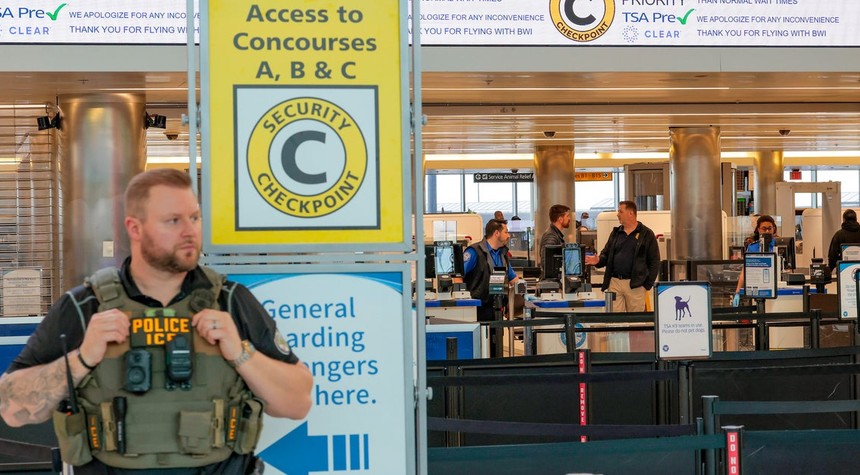
A significant shift in federal immigration enforcement has emerged at airports across the nation, as the Transportation Security Administration and Immigration and Customs Enforcement have expanded their collaborative efforts beyond traditional criminal investigations.
According to sources within ICE, the TSA has begun sharing substantially more information about noncitizen travelers with immigration authorities. This information now includes data on immigrants who lack criminal records but are suspected of civil immigration violations, such as overstaying their visas. The increased cooperation has resulted in a notable rise in airport arrests, several of which have been documented in videos that have circulated widely on social media platforms.
The operational change represents a departure from previous practices. While the two agencies have long maintained a working relationship, their coordination historically focused on lower-profile matters involving federal criminal offenses and public safety concerns, including drug smuggling and human trafficking operations. The current arrangement casts a considerably wider net.
Under the new framework, TSA agents are providing ICE with what sources describe as “tips” or “leads” that enable the immigration enforcement agency to arrest, detain, and initiate deportation proceedings against individuals deemed deportable under federal law. This process occurs even when the individuals in question have no criminal history beyond their immigration status violations.
Immigration attorneys have reported that some of those affected by this enhanced enforcement approach include individuals with pending immigration applications or work permits who nevertheless lack permanent legal status. These cases highlight the administration’s focus on civil immigration violations, not merely criminal offenses.
The expansion of this interagency cooperation aligns with the Trump administration’s stated commitment to strengthening immigration enforcement across all available channels. The President has consistently emphasized that existing immigration laws must be enforced without exception, arguing that selective enforcement undermines the rule of law and creates incentives for further illegal immigration.
Critics of the expanded partnership have raised concerns about the scope of enforcement actions targeting individuals without criminal records, particularly those who have taken steps to regularize their status through pending applications. However, administration officials have maintained that immigration law makes no distinction between those with pending applications and those without when determining deportability.
The practical implications of this policy shift are becoming increasingly visible at airports nationwide. Travelers who might previously have passed through security checkpoints without incident now face the possibility of detention based on civil immigration violations alone. This represents a fundamental change in how federal agencies approach immigration enforcement in transportation hubs.
As this enforcement strategy continues to develop, it remains to be seen how it will affect travel patterns, immigration court backlogs, and the broader national conversation about immigration policy. What is clear is that the federal government has committed substantial resources to ensuring that immigration laws are enforced at every available opportunity, including at the nation’s airports.
The situation continues to evolve as both agencies refine their coordination procedures and respond to the operational demands of expanded enforcement activities.
Related: Ten Women Come Forward with Sexual Assault Claims Against Jared Leto
