The Trump administration has unveiled a comprehensive initiative designed to strengthen the competitive position of American fishermen against foreign seafood imports, marking what supporters describe as a significant shift in federal policy toward the domestic fishing industry.
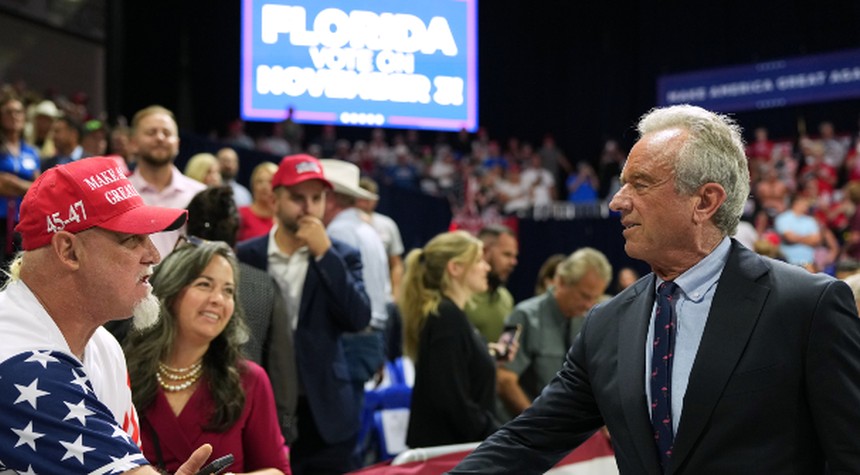
Health and Human Services Secretary Robert F. Kennedy Jr. announced the program Friday during a rally with President Trump in Fort Myers, Florida. The centerpiece of the initiative is a voluntary labeling system that will allow American-caught fish to be clearly distinguished from imported seafood, particularly products originating from overseas fish farms with less stringent environmental and safety standards.
The announcement comes as data from the National Oceanic and Atmospheric Administration reveals that approximately 80 percent of seafood consumed in the United States was imported from foreign sources in 2023. This statistic underscores the challenge facing domestic fishermen who operate under stricter environmental and sustainability regulations than many of their international competitors.
Secretary Kennedy drew particular attention to conditions at certain foreign aquaculture operations, citing shrimp farms in Vietnam and Cambodia where mangrove swamps are reportedly fenced off and local fish populations eliminated to make way for commercial shrimp production. According to Kennedy, these operations rely heavily on antibiotics and operate for approximately five years before the swamps are destroyed. He noted that European countries refuse to accept these products, redirecting them to American markets instead.
Accompanying the labeling initiative is a new government website, seafood.gov, which is now operational and providing tracking information on catches, sales, and infrastructure while outlining strategies to support American commercial fishermen. The multifaceted approach represents what the administration characterizes as a rebuilding effort for an industry that has struggled against foreign competition.
The New England Fishermen’s Stewardship Association responded positively to the announcement. Jason Joyce, the organization’s director of advocacy, stated that American seafood represents the most sustainably harvested product in the world, and the new label provides consumers with a straightforward method to identify and support domestic fishing operations.
Secretary Kennedy, who stated he has worked for four decades to assist New England fishermen in overcoming regulatory restrictions, emphasized that American commercial fishermen operate under the strongest environmental and sustainability regulations in the world. While these standards ensure quality and environmental protection, they create competitive disadvantages when domestic products compete against imports from countries with minimal oversight.
The initiative arrives amid concerns within certain segments of the fishing industry regarding recent trade policies. The Maine Lobstermen’s Association expressed concern last August about potential impacts from trade disputes with Canada, which purchases substantial quantities of lobster from Maine fisheries.
At the Fort Myers event, Kennedy highlighted the challenges facing Florida’s shrimp industry, describing the region as possessing exceptional fishing resources while noting that local operations must compete against what he termed “criminal enterprises abroad” that operate without comparable regulatory oversight.
The voluntary nature of the labeling program allows American fishermen and processors to participate at their discretion while providing consumers with additional information to guide their purchasing decisions. The administration maintains that this approach balances support for domestic industry with market-driven consumer choice.
Related: Fire Guts Hitler’s Former Alpine Retreat as Suspect Faces Psychiatric Evaluation