
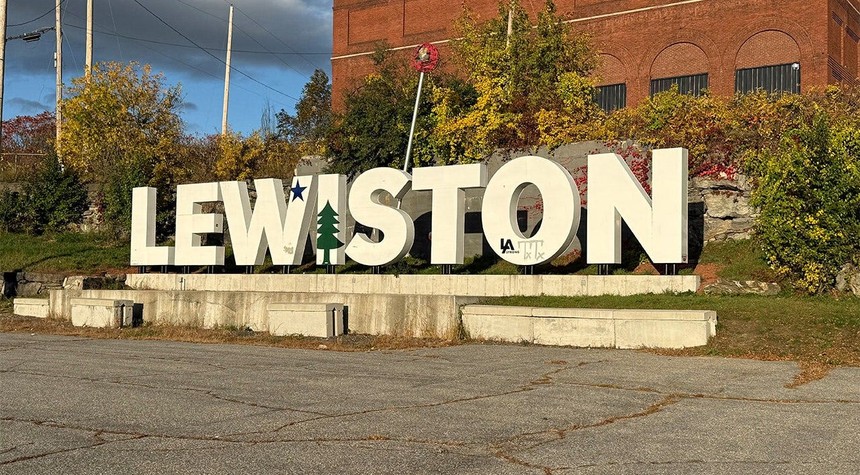
LEWISTON, Maine — This New England city of approximately 37,000 residents faces a troubling escalation in youth gun violence that has exposed significant gaps in Maine’s juvenile justice system.
Local law enforcement has documented 35 gun-related incidents in Lewiston this year, with 22 of those cases involving juveniles. The crisis has prompted urgent calls for reform from city officials and raised serious questions about whether current laws adequately protect public safety.
“Gun violence is one of the most serious public safety challenges facing this city,” Lewiston Police Chief Carly Conley stated, summarizing the gravity of the situation confronting Maine’s second most populous municipality.
The scope of the problem extends beyond statistics. Mohamed Muhumed, a teenager who lives in Lewiston, expressed fears shared by many residents. “I don’t feel safe. I fear for my life,” he said. “I saw someone get punched in the middle of the sidewalk over there. It’s crazy.”
The pattern that has emerged reveals a troubling cycle. Young offenders are arrested, processed through the juvenile justice system, and quickly returned to the streets, sometimes to reoffend. One juvenile has reportedly been arrested five times for similar offenses, only to be released each time from the youth detention center.
Rick LaChapelle, a Republican candidate for mayor and former city council president, directed his criticism at what he characterized as a fundamentally flawed system. “Our biggest problem is the system itself,” LaChapelle explained. “The police department is doing an excellent job catching these people. We have one young man that’s been arrested five times, I believe, for the same thing. He gets arrested, gets brought down to the youth center, and gets released.”
LaChapelle attributed the crisis to longstanding political patterns in Maine. “It’s been a one-party rule forever that has instilled the rules that there’s no accountability,” he argued. “We need to change the rules of the system.”
The frustration extends to prosecutors as well. According to reporting on the issue, the district attorney has expressed disappointment that courts are not imposing more serious consequences for repeat juvenile offenders, even as violent incidents continue.
City officials have taken concrete steps to address the immediate threat. The city council approved $200,000 in additional funding for police overtime, enabling expanded patrols and enhanced enforcement operations throughout Lewiston.
Beyond increased law enforcement presence, city leaders are advocating for systemic changes to Maine’s juvenile justice framework. Their proposals include expanding options for handling repeat violent offenders and implementing stricter evaluation procedures before releasing high-risk juveniles back into the community.
Mayor Carl Sheline issued a statement last month emphasizing a two-pronged approach. “We are sending a strong message to those perpetrating gun violence: We will find you,” the mayor said. However, he added an important caveat about shared responsibility: “Parental involvement and accountability are key to reducing youth gun violence in our city.”
Lewiston has undergone significant demographic changes in recent decades, welcoming substantial numbers of refugees and immigrants, particularly from Somalia and other African nations. This transformation has brought both opportunities and challenges to the community.
The current crisis represents a test of whether Maine’s existing legal frameworks can effectively address serious juvenile crime while maintaining the safety and security that residents deserve. The outcome of this debate may have implications that extend well beyond Lewiston’s city limits.
Related: Dallas Cowboys Cheerleaders Sue My Chemical Romance Over Costume Display at Concert
