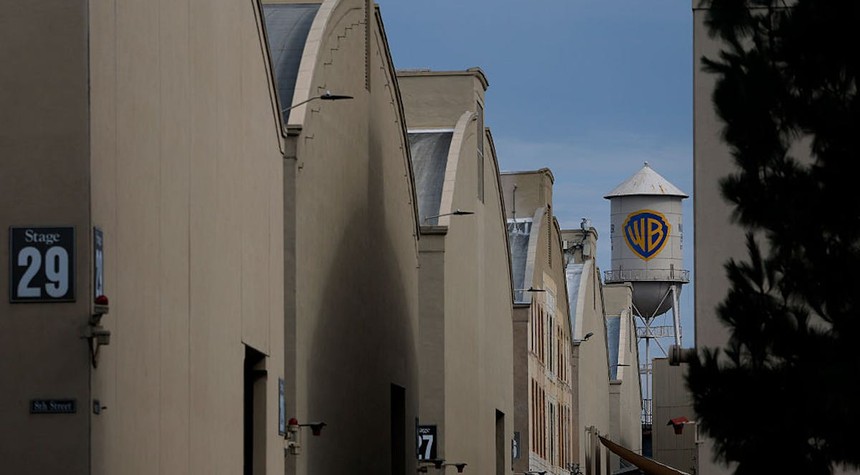
A federal judge has issued a temporary halt to what would be one of the largest media consolidations in American history, blocking Paramount Skydance Corp’s $110 billion acquisition of Warner Bros. Discovery Inc.
U.S. District Judge Araceli Martínez-Olguín granted a 14-day pause on Monday, just days before the companies planned to finalize their merger on July 22. The decision follows a lawsuit filed by twelve state attorneys general on July 13, raising substantial concerns about market concentration and competitive harm to American consumers.
The states bringing suit include California, Arizona, Massachusetts, and Washington, among others. Their legal challenge centers on the potentially devastating impact this merger would have on competition in both the cable television and film industries.
The numbers are striking. According to legal filings, the combined Paramount-Warner entity would control approximately 27 percent of the market for films widely released to theaters. Perhaps more concerning, the merged company would command 30 percent of anticipated blockbuster releases. When viewed alongside existing media giants Walt Disney Co., Universal, and Sony Pictures Entertainment, these four companies would control 90 percent of the entire media market.
The implications extend beyond mere market share statistics. New York Attorney General Letitia James articulated the practical consequences Americans would face, stating the merger would result in more expensive theater tickets, higher cable bills, reduced employment opportunities for industry workers, and fewer original stories reaching audiences nationwide.
Under David Ellison, the chief executive officer of Skydance Media, this consolidation would unite two major streaming platforms, two established movie studios, and two news organizations under single corporate control. The concentration of media power raises fundamental questions about diversity of voices and content in American entertainment and journalism.
The legal proceedings now move to a critical juncture. A hearing scheduled for August 3 will determine whether the temporary restraint becomes a permanent injunction. Warner Bros. has already agreed to the sale terms, but Judge Martínez-Olguín’s order prevents Paramount from completing the transaction.
Adding financial pressure to the situation, a pre-existing merger agreement includes a provision requiring Paramount to compensate Warner Bros. Discovery shareholders if the deal fails to close by September 30. This deadline creates a narrow window for resolving the legal challenges.
The case represents a significant test of antitrust enforcement in the media sector. For decades, consolidation has steadily reduced the number of major players in American entertainment and news. This lawsuit suggests state attorneys general believe a line has been crossed, that further concentration threatens the competitive marketplace that has historically driven innovation and kept prices in check.
The outcome will have far-reaching consequences. If the merger proceeds, it would fundamentally reshape the media landscape, potentially setting a precedent for future consolidations. If blocked, it would signal renewed willingness by state authorities to challenge corporate concentration, even among willing participants in billion-dollar transactions.
The August 3 hearing will be closely watched by industry observers, consumer advocates, and other media companies considering their own strategic combinations.
Related: United Airlines Employee Threatens Customer with Immigration Enforcement During Ticketing Dispute