
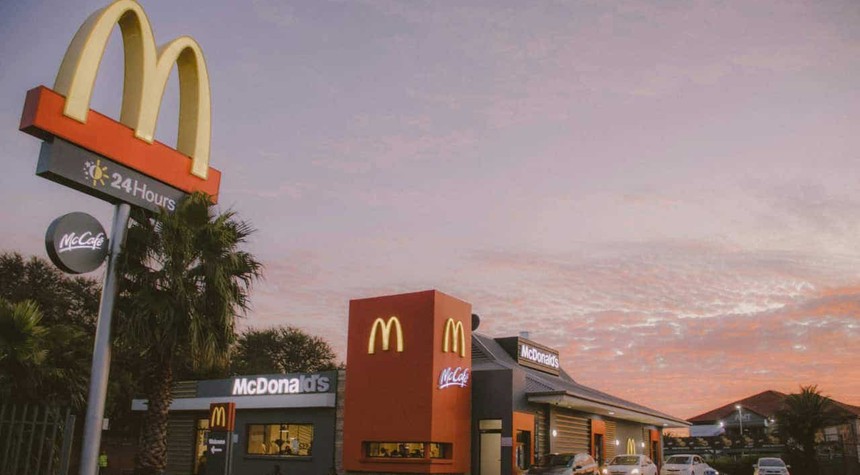
McDonald’s Corporation has begun testing an artificial intelligence-powered ordering system at five restaurant locations across the United States, marking the latest effort by the fast-food industry to integrate emerging technology into daily operations.
The system, designated ArchIQ and referred to internally as “Archy,” represents a voice-recognition platform capable of processing drive-thru orders in both English and Spanish without human intervention. The company has declined to disclose the specific locations where the technology is currently being evaluated.
According to information shared through industry channels, the AI system has processed more than one million customer transactions during its testing phase. Initial data suggests that approximately 90 percent of these orders have been completed without requiring assistance from restaurant staff. McDonald’s has not yet announced whether these figures will lead to a broader deployment of the technology.
The ArchIQ system appears to function as more than simply an order-taking mechanism. Reports indicate the technology has been designed to monitor operational efficiency, with the capability to alert management personnel to potential bottlenecks or service delays before they significantly impact customer wait times.
This initiative forms part of a larger corporate strategy McDonald’s leadership has termed “McDonald’s > NEXT.” Chief Executive Officer Chris Kempczinski has characterized the plan as a comprehensive approach to increasing customer traffic while simultaneously improving operational productivity. The strategy encompasses menu modifications, facility redesigns, technological upgrades, and an enhanced emphasis on customer service.
Drive-thru operations present unique challenges for quick-service restaurants. Orders frequently change after totals have been calculated. Background noise from traffic or passengers can interfere with communication. Customers often remember additional items after completing their initial order. These variables create pressure points that can slow service and increase the likelihood of errors, particularly during peak hours.
If the ArchIQ system proves reliable, it could enable restaurants to process vehicles more efficiently while reducing order inaccuracies. Human employees would then be available to concentrate on food preparation, payment processing, and addressing situations that require personal interaction.
This is not McDonald’s first venture into artificial intelligence for drive-thru service. The company previously tested similar technology that encountered difficulties, occasionally producing incorrect or unexpected orders. Those earlier challenges raise questions about whether the current system has adequately addressed the complexities of natural language processing and the unpredictable nature of customer interactions.
The fast-food sector has increasingly turned to automation and artificial intelligence as labor costs rise and worker availability fluctuates. Other major chains have explored similar technologies, seeking to balance operational efficiency with the quality of customer experience.
Whether ArchIQ will expand beyond its current test phase remains uncertain. The company has provided no timeline for a potential nationwide rollout, suggesting that performance data from these initial locations will determine the system’s future.
For now, the technology remains in evaluation, and the question of whether artificial intelligence can successfully manage the demands of high-volume food service continues to be answered one order at a time.
Related: Supreme Court Considers Two Distinct Cases on Presidential Removal Authority
