
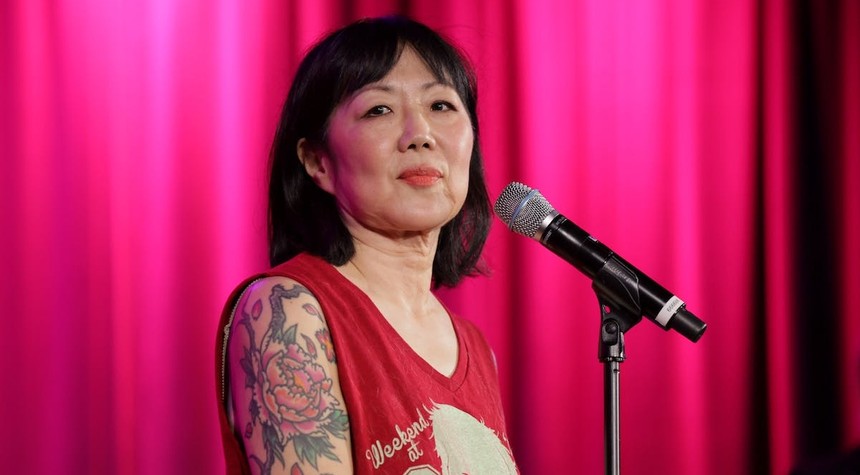
Actress and comedian Margaret Cho has stated that concerns about potential detention at the Canadian border prevented her from accepting a role in a television production last year.
The 57-year-old performer, known for her outspoken criticism of the Trump administration, explained during a podcast appearance that she declined a part in “Heated Rivalry,” a drama series filming in Canada, due to fears stemming from her public statements against Immigration and Customs Enforcement.
“Last year, I got a pilot script for a show that I really loved, but it shot in Canada,” Cho said. “I was so scared because I’m so vocal about hating ICE and hating this administration. I was like, I will get detained at the border and I will be put in ICE detention if I go.”
The comedian indicated that the decision caused her considerable distress, requiring consultation with multiple individuals before ultimately declining the role. She attributed the situation directly to the former president, stating, “It’s all because of Trump.”
Cho has since inquired about potential involvement in the show’s second season, which is currently in development, though no confirmation has been provided by the production.
The actress’s concerns raise questions about the legal basis for such fears. United States citizens possess the constitutional right to travel freely across international borders, and detention of American citizens by ICE at a Canadian border crossing would require specific legal grounds. ICE primarily operates within the United States and focuses on immigration enforcement, not the detention of citizens traveling abroad for work purposes.
Canada maintains its own border security protocols independent of American immigration enforcement agencies. American citizens entering Canada are subject to Canadian border regulations, not ICE jurisdiction. Furthermore, criticism of government agencies and political figures is protected speech under the First Amendment.
The entertainment industry has seen numerous instances of performers expressing political views that diverge sharply from various administrations. However, Cho’s stated concern about government detention for protected speech represents an unusual interpretation of immigration enforcement authority.
The “Heated Rivalry” production has not publicly commented on Cho’s statements regarding her decision to decline participation in the project. The series, based on popular source material, has garnered attention within certain entertainment circles, though it remains in early development stages.
Cho has built her career on provocative comedy and has never shied from controversial political commentary. Her extensive body of work spans stand-up comedy, television, and film, often addressing social and political themes directly.
The incident highlights the climate of concern some public figures have expressed regarding their political speech during contentious political periods. Whether such concerns are grounded in legal reality or represent personal anxiety about political consequences remains a matter of debate.
As the entertainment industry continues to navigate political divisions within American society, performers face personal decisions about how their public statements might affect their professional opportunities and personal security, real or perceived.
Related: New Museum Exhibit Preserves September 11th Memory for Generation Born After Attacks
