
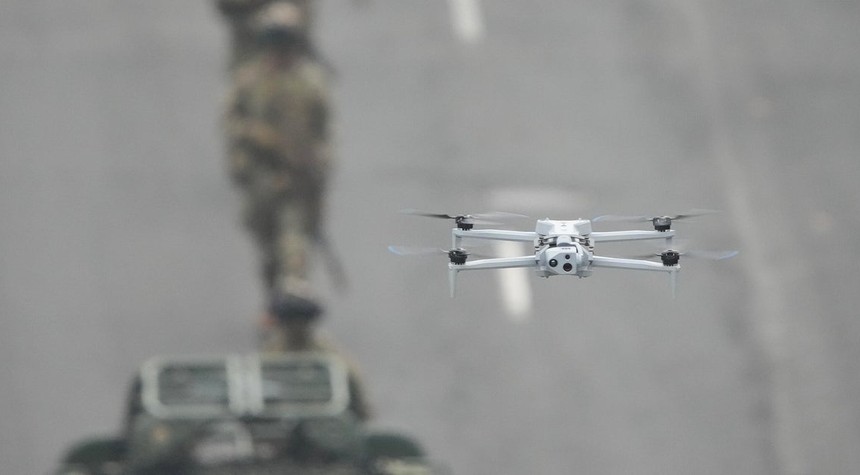
The United States military’s accelerated effort to develop and deploy low-cost, expendable drones has prompted serious safety concerns from within the Defense Department’s own ranks, according to internal documents that reveal growing tension between innovation and established protective protocols.
A civilian Army explosive safety specialist with more than two decades of combined military and civilian experience has issued a stark warning that the Pentagon’s urgency to counter emerging threats may be compromising fundamental safety principles. The assessment came in a March memorandum that examined an incident in which a mini-drone detonated, injuring an Army Special Forces soldier.
The memorandum acknowledges the proven capability of Special Forces units to develop innovative tactical solutions under demanding field conditions. However, the safety specialist expressed concern that the broader institutional pressure to address unmanned aerial threats has created an environment where basic explosive safety standards are being overlooked.
“We fully understand their ability to innovate and create tactical solutions to accomplish a mission set or task,” the document states, before noting that the Defense Department “is in such a rush to solve future and enduring threats related to unmanned aerial systems” that “basic explosive safety principles are being ignored,” which “will ultimately lead to a greater risk associated with mishaps or accidents.”
This development represents a significant shift in how the American military approaches drone technology. While unmanned systems have served as critical assets for decades, particularly throughout operations in Iraq and Afghanistan, recent battlefield developments have fundamentally altered strategic thinking.
The ongoing conflict in Ukraine has demonstrated the transformative impact of drone warfare on modern combat operations. What has emerged from that battlefield is a clear understanding that future military effectiveness will require the ability to rapidly and economically produce large quantities of lethal unmanned systems.
The Pentagon’s response to this strategic imperative became evident late last year when the Defense Department solicited information from the defense industry regarding its capacity to manufacture approximately 300,000 drones. This request underscores the scale of transformation envisioned for American military capabilities.
The tension between rapid innovation and safety protocols is not new to military operations, but the current situation presents unique challenges. Expendable drones, by their very nature, are designed for short operational lifespans and cost-effectiveness rather than the durability and extensive testing typical of traditional military hardware.
The safety specialist’s concerns reflect a fundamental question facing military leadership: how to balance the urgent need for technological adaptation against the responsibility to protect service members from preventable accidents. The injury to the Special Forces soldier serves as a concrete example of the risks involved when development timelines compress and safety reviews potentially receive insufficient attention.
As the Defense Department continues to pursue its ambitious drone program, these internal warnings suggest that establishing clear safety frameworks must keep pace with technological advancement. The challenge ahead lies in maintaining the innovation necessary for future readiness while preserving the protective standards developed through decades of experience.
Related: FAA Faces Congressional Scrutiny Over Flight Attendant Staffing Rules for Major Airlines
