
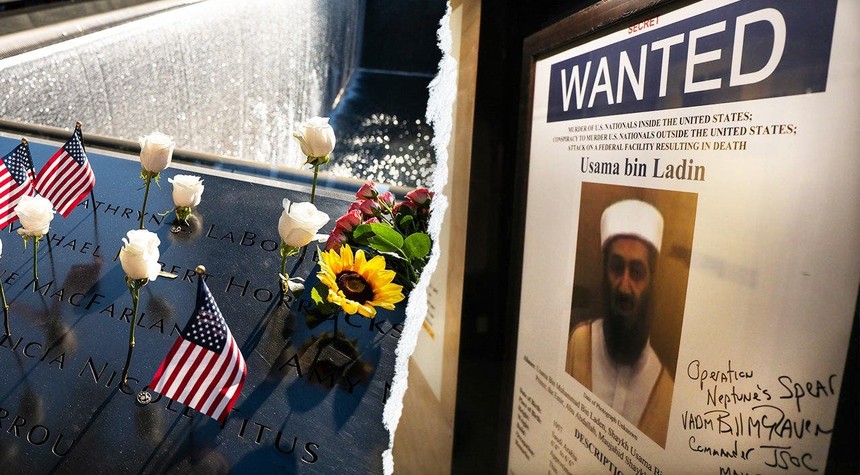
Twenty-five years after the terrorist attacks that forever changed America, the September 11th Memorial and Museum has unveiled a new exhibit designed to preserve the memory of that tragic day for a generation that never experienced it firsthand.
The exhibit, titled “Our Flag Was Still There,” showcases flags connected to the September 11th attacks and their aftermath. Museum officials say the display arrives at a crucial moment, as one-third of the current United States population was born after the attacks that claimed nearly 3,000 lives.
Jay Weinkam, executive vice president of government and community affairs at the September 11th Memorial and Museum, emphasized the urgency of the institution’s educational mission. The passage of a quarter century means that many of the nation’s teachers, first responders, and members of the military have no personal recollection of the attacks or the response that followed.
The exhibit’s opening coincides with the 15-year anniversary of the raid that resulted in the death of Usama bin Laden, the mastermind behind the September 11th attacks. That operation, conducted by United States special forces in Abbottabad, Pakistan, on May 2, 2011, represented a significant moment in America’s response to terrorism.
Museum leaders recognize that the challenge of preserving historical memory grows more complex with each passing year. The task extends beyond simply commemorating those who perished. It involves ensuring that future generations understand the profound impact the attacks had on American society, foreign policy, and national security.
The flag exhibit serves as a tangible connection to the events of September 11th, 2001, and the days that followed. Flags have long held special significance in American culture, representing unity, resilience, and national identity. In the context of September 11th, flags became powerful symbols of American resolve in the face of unprecedented tragedy.
The museum’s educational efforts target a broad spectrum of Americans who now serve in critical roles without having lived through the attacks themselves. This includes educators responsible for teaching about September 11th, first responders who must understand the legacy of their fallen colleagues, and military personnel who continue to serve in conflicts that trace their origins to that day.
As the nation moves further from the immediate aftermath of September 11th, institutions like the memorial and museum bear increasing responsibility for maintaining collective memory. The work involves not merely preserving artifacts and recounting events, but conveying the emotional and historical weight of a day that reshaped America.
The new exhibit represents the museum’s ongoing commitment to this mission. Through careful curation and thoughtful presentation, museum officials aim to bridge the gap between those who remember September 11th and those who know it only through history books and family stories.
In an era when historical events can quickly fade from public consciousness, the September 11th Memorial and Museum stands as a guardian of memory, ensuring that the sacrifices made and lessons learned on that September morning remain part of the American story for generations to come.
Related: Army Scrambles to Address Budget Crisis Amid Rising Operational Costs
