
The Food and Drug Administration’s recent decision to withhold approval of a promising melanoma treatment has ignited a fierce debate about the agency’s decision-making standards and its independence from political influence.
The rejection of RP1, a skin cancer treatment that extended lives for approximately one-third of clinical trial participants, has left physicians and patients grappling with disappointment and uncertainty. Trisha Wise-Draper, a dermatologist at the University of Cincinnati who enrolled patients in the trial, described the news as devastating. Eric Whitman, medical director of the Atlantic Health System’s oncology service, put the stakes in stark terms: “This is life or death for maybe 2,000 patients.”
The facts of the case present a complex picture. While the treatment showed promise for some patients, oncologists and pharmaceutical industry analysts acknowledge there were legitimate scientific concerns about RP1. Notably, the drug’s manufacturer, Replimune, had reportedly ignored repeated FDA recommendations to modify the clinical trial design used to seek approval.
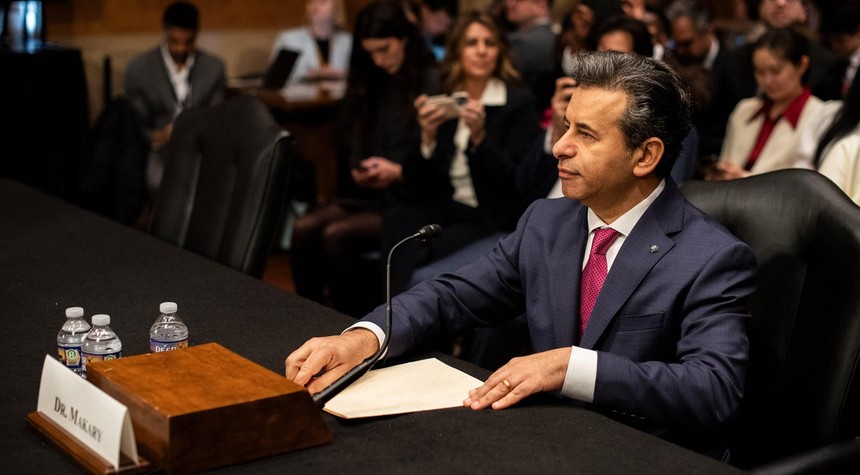
Under normal circumstances, such a rejection might have proceeded without controversy. However, the decision has become emblematic of broader concerns about the FDA’s current direction under Commissioner Marty Makary, who resigned this week after thirteen months in the position.
Steven Grossman, a regulatory consultant and former Department of Health and Human Services official, stated that Makary fundamentally altered the agency’s culture and eroded the institutional trust built over decades of regulating twenty percent of American consumer spending. “People have to speculate about the standards and processes by which the agency makes decisions,” Grossman explained. “And that uncertainty is bad for everybody—patients and sponsors and investors.”
The concerns extend beyond this single drug approval. Senior FDA officials have reportedly either suppressed or advanced certain drug approvals and policies at the direction of President Trump or Health and Human Services Secretary Robert Kennedy Jr., bypassing the counsel of agency professionals with specialized expertise.
Makary’s response to criticism over the melanoma treatment rejection departed sharply from the FDA’s traditionally measured public communications. He accused Replimune of “corruption” and “engaging in corporate spin” to damage the agency’s reputation. “I don’t work for Replimune. I work for the American people,” Makary declared during a television interview.
Secretary Kennedy supported Makary during a congressional budget hearing, though he incorrectly claimed that patients in Replimune’s clinical trial had received chemotherapy—a factual error that further undermined confidence in the administration’s grasp of the scientific details.
Paul Kim, a former FDA staffer and pharmaceutical industry consultant, articulated the fundamental problem facing the agency. “All the norms have been thrown out the window, so we don’t know what underlines an agency decision,” Kim said. “Even when there are legitimate scientific and regulatory reasons why a drug will not be approved, we’re left guessing whether it’s legitimate grounds or just a political play.”
Melanoma represents the fifth most commonly diagnosed cancer in the United States, with approximately 112,000 new cases annually. For patients and their families facing this diagnosis, the FDA’s credibility in evaluating treatments is not an academic question—it is a matter of life and death.
The American people deserve an FDA that makes decisions based solely on rigorous scientific standards, free from political interference. Whether legitimate regulatory concerns or political considerations drove this particular rejection, the erosion of public confidence in the agency’s independence represents a troubling development that transcends any single drug approval.
Related: Oklahoma Sues Roblox Over Alleged Failures in Child Safety Protections
